
overnight face serum for glowing skin is one of those little routines that feels fancy, but it is actually super simple once you get the hang of it. If your skin has been looking tired, a bit dull, or just not as bouncy as you want, I totally get it. I have nights where I look in the mirror and think, okay, we need a reset. This DIY is the one I reach for when I want to wake up looking more rested, even if I did not sleep as much as I should have. It is gentle, comforting, and honestly kind of soothing to apply at the end of the day. 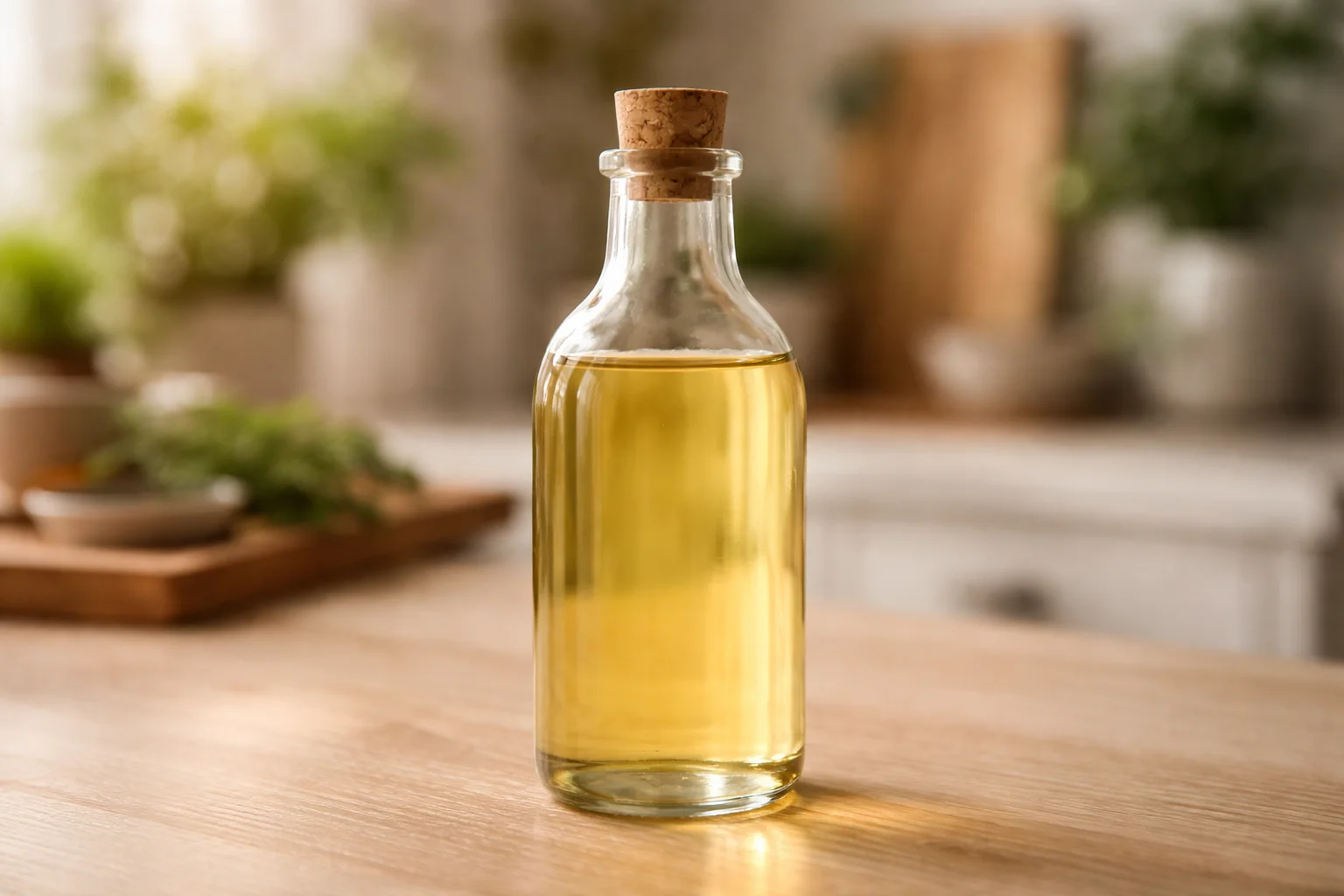
Table of Contents
What an overnight face serum can do for dull skin
Dull skin usually shows up when your face is a little dehydrated, stressed, or dealing with a buildup of old, dry texture. An overnight face serum works while you sleep, when your skin is naturally in repair mode and not fighting sunscreen, makeup, weather, or whatever else your day throws at you.
For me, the biggest difference is how my skin feels in the morning. Not greasy. Not tight. Just softer, smoother, and more even looking. It is not magic, but it is a steady kind of improvement that adds up.
Here is what you can realistically expect from a good overnight routine:
More hydration so your skin looks less flat and more plump.
A smoother feel, especially if you tend to get rough patches around the nose or chin.
More comfort if your skin gets irritated easily from dryness.
If you also like doing a quick exfoliating step once in a while, I pair this serum with a body and face friendly scrub on self care days. This one is for the shower and it is such a mood booster: peppermint salt scrub for smooth glowing skin.
Why this serum supports glow and skin health
I am a big fan of simple formulas because they are easier to stick with and easier to troubleshoot if your skin gets picky. This DIY is built around soothing hydration plus a little help for uneven tone. That combo is what makes the glow look natural, not shiny.
This recipe focuses on three jobs:
Hydrate with aloe vera gel so skin feels calm and cushioned.
Seal with facial oils so that hydration does not evaporate overnight.
Support tone with licorice oil to help the look of pigmentation over time.
And because I get asked this a lot, no, you do not need twenty ingredients. You need a few that work well together and you need consistency. If you like browsing more simple skin recipes, this is a nice starting point: DIY skincare ideas.
Benefits of aloe vera gel for acne-prone and irritated skin
Aloe vera gel is one of those ingredients that feels like a cool drink of water for your face. When my skin is acting up, maybe from stress breakouts or I tried a new product and regret it, aloe is what I reach for because it is gentle and comforting.
Why it is so good in an overnight face serum:
It calms the look of redness, especially if your skin feels hot or irritated.
It hydrates without heaviness, which is helpful if you are acne prone.
It layers well under oils, so you get hydration plus softness.
A quick tip from my own mistakes: if you are using store bought aloe gel, check the ingredient label. I prefer one with simple ingredients and minimal fragrance. If you are sensitive, fragrance can be a deal breaker.
And do a patch test. I know, I know, everyone says it, but it really matters when your skin is already cranky.
Benefits of facial oils for hydration and softness
Facial oils get a bad reputation sometimes, but the right one can make your skin look so healthy. Oils do not “add water” exactly, but they help lock in hydration and make your face feel smoother so makeup sits better the next day.
My personal favorite vibe is a light oil blend that sinks in instead of sitting on top. If you are oily, go lighter and use fewer drops. If you are dry, you can use a bit more, especially around the cheeks.
Here are a few oil options that work well in this kind of recipe:
Jojoba oil feels balanced and is great for combination skin.
Sweet almond oil is soft and nourishing, especially for dry patches.
Rosehip oil is loved for supporting a brighter look.
If sweet almond oil is your thing, you might also like this cozy moisturizer style recipe for daytime: DIY almond oil face cream for glowing skin.
Benefits of licorice oil for pigmentation and complexion
Licorice is one of my favorite “slow and steady” ingredients for uneven tone. I am not talking about changing your face overnight. I mean helping your complexion look more even over time, especially if you have the look of lingering spots after breakouts or sun exposure.
Why I like licorice oil in an overnight face serum:
It supports the look of brightness in dull areas.
It is a good option for uneven tone when used consistently.
It pairs well with soothing ingredients like aloe, so the recipe feels balanced.
Important note: licorice oil and licorice root extract are not always the same thing. If you are buying something labeled licorice oil, make sure it is skin safe and intended for cosmetic use. When in doubt, ask the brand or skip it and keep the formula basic.
Ingredients list and optional add-ins
This is the part where I sound like a food blogger, because yes, I measure this like a kitchen recipe and I love that it feels homemade. Keep it clean, keep it simple, and do not overdo the extras.
What you will need
- 1 tablespoon aloe vera gel
- 1 teaspoon jojoba oil (or sweet almond oil)
- 1 teaspoon rosehip oil (optional but nice)
- 2 to 3 drops licorice oil or cosmetic licorice extract (optional)
- A small clean bowl and spoon
- A small glass jar with a lid or an airless pump bottle
Optional add ins, only if your skin tolerates them:
- 1 to 2 drops vitamin E oil for extra nourishment
- 1 drop lavender essential oil maximum, only if you are not sensitive and it is properly diluted (I often skip this)
I keep it basic most nights because simple formulas are easier to love long term.
Step-by-step overnight serum recipe
This is the easy part. It takes about three minutes, and the cleanup is basically nothing.
Directions
- Wash your hands and make sure your jar is clean and dry.
- Add the aloe vera gel to your bowl.
- Stir in jojoba oil and rosehip oil until it looks evenly mixed.
- Add licorice oil or extract, just a couple drops, then stir again.
- Spoon it into your jar, close the lid, and label it with the date.
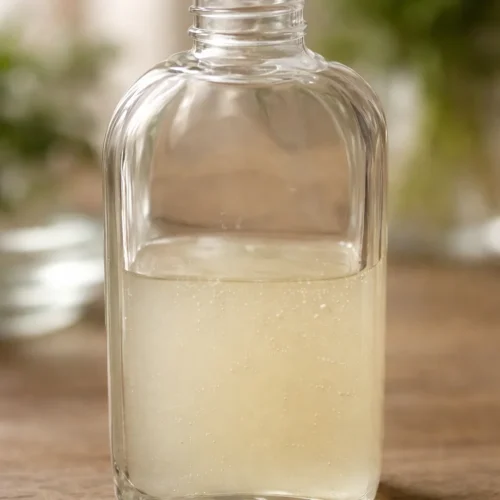
Texture note: this may look like a light gel oil mix. If it separates a bit after sitting, that is normal for a simple DIY. Just stir or shake gently before you use it.
How to apply before bed
I apply this when my face is clean and slightly damp. That is my sweet spot because damp skin helps everything spread nicely and feel more comfortable.
My routine looks like this:
1. Cleanse gently and pat so skin is not dripping wet, just a little damp.
2. Take a pea sized amount of serum and warm it between your fingertips.
3. Press it into your cheeks, forehead, and chin. I do not rub aggressively.
4. If you are dry, add a tiny extra dab to the cheeks.
Avoid getting it too close to your lash line. If you are sensitive around the eyes, keep it on the outer face area only.
I tried this for two weeks and my skin looked calmer in the mornings. The biggest surprise was how soft my cheeks felt without feeling oily. I also noticed my old breakout marks looked a little less obvious with consistent use.
How often to use it
I use this overnight face serum 3 to 5 nights a week depending on how my skin feels. If I am dry or it is winter, I lean closer to five. If I am breaking out, I use a smaller amount and keep it lighter.
A good schedule if you are new:
Week 1: 2 to 3 nights to see how your skin reacts.
Week 2 and beyond: increase to 4 to 5 nights if your skin is happy.
And yes, using an overnight face serum for glowing skin consistently matters more than making it “perfect.” Small steps, repeated, is what gets that healthy look.
Storage, shelf life, and precautions
Because this is DIY, treat it like fresh food. Clean tools, clean hands, and do not dip in with dirty fingers.
Storage: Keep it in a cool, dry place. If your aloe gel is very fresh or your room runs warm, store it in the fridge for extra peace of mind.
Shelf life: I use mine within 1 to 2 weeks. If it changes smell, color, or texture in a weird way, toss it and make a new batch.
Precautions:
Patch test on your inner arm or jawline first.
Avoid using on broken skin.
Be careful with essential oils. More is not better.
If you are pregnant, nursing, or using prescription skincare, check with a professional before adding new active ingredients.
If you want a glow boost on other days, I also love rotating in a gentle mask night. This one feels fun and slippery in the best way: flaxseed gel face mask for glass skin glow.
Common Questions
1. Can I use this overnight face serum if I have oily skin?
Yes, just use less. Start with a smaller amount and pick a lighter oil like jojoba. Press it in instead of layering it thick.
2. Will this clog my pores?
It depends on the oils you choose and how your skin reacts. Keep the recipe simple, avoid heavy oils if you are acne prone, and always patch test.
3. Can I use it every night?
You can if your skin loves it, but you do not have to. I find 3 to 5 nights a week is plenty for a steady glow.
4. What if my mixture separates in the jar?
That is normal with DIY blends that do not use emulsifiers. Stir or shake gently before each use.
5. How long until I see results?
Some people notice softer skin in a few days. For tone and the look of pigmentation, give it a few weeks of consistent use.
A simple bedtime ritual that actually feels good
If you have been wanting a low effort routine that helps your skin look more awake, this is a great place to start. Keep your ingredients clean, use a light hand, and stick with it long enough to see the payoff. I love how this overnight face serum for glowing skin makes my face feel comfy and hydrated when I wake up. Try it for a week, take a quick before photo if you want, and see how your skin responds. You might end up looking forward to bedtime skincare as much as I do.
Overnight Face Serum
Materials
Main Ingredients
- 1 tablespoon aloe vera gel Choose a product with minimal ingredients and fragrance.
- 1 teaspoon jojoba oil (or sweet almond oil) Pick according to your skin type.
- 1 teaspoon rosehip oil (optional) Adds extra nourishment and brightness.
- 2 to 3 drops licorice oil or cosmetic licorice extract (optional) Ensure it’s skin safe and intended for cosmetic use.
- 1 to 2 drops vitamin E oil (optional) For extra nourishment.
- 1 drop lavender essential oil (maximum, optional) Only use if not sensitive and properly diluted.
Tools
- 1 small clean bowl
- 1 small glass jar with a lid or airless pump bottle
Instructions
Preparation
- Wash your hands and ensure your jar is clean and dry.
- Add the aloe vera gel to your bowl.
- Stir in jojoba oil and rosehip oil until evenly mixed.
- Add licorice oil or extract and stir again.
- Spoon the mixture into your jar, close the lid, and label it with the date.
Application
- Cleanse your face gently and pat it so the skin is slightly damp.
- Take a pea-sized amount of serum and warm it between your fingertips.
- Press it into your cheeks, forehead, and chin.
- Add a tiny extra dab to the cheeks if dry.
- Avoid getting it too close to your lash line.