
natural deodorant without baking soda has been my little lifesaver since my underarms decided they were officially “done” with regular deodorant. I used to get redness and that stingy, itchy feeling by the end of the day, and it honestly made me dread putting anything on my skin. If you have sensitive skin, you probably know that annoying cycle of trying a new product, hoping for the best, then regretting it. So I started making my own, and it turned into one of those DIY things that actually stuck. It is simple, it smells clean, and it keeps me feeling confident without feeling harsh.
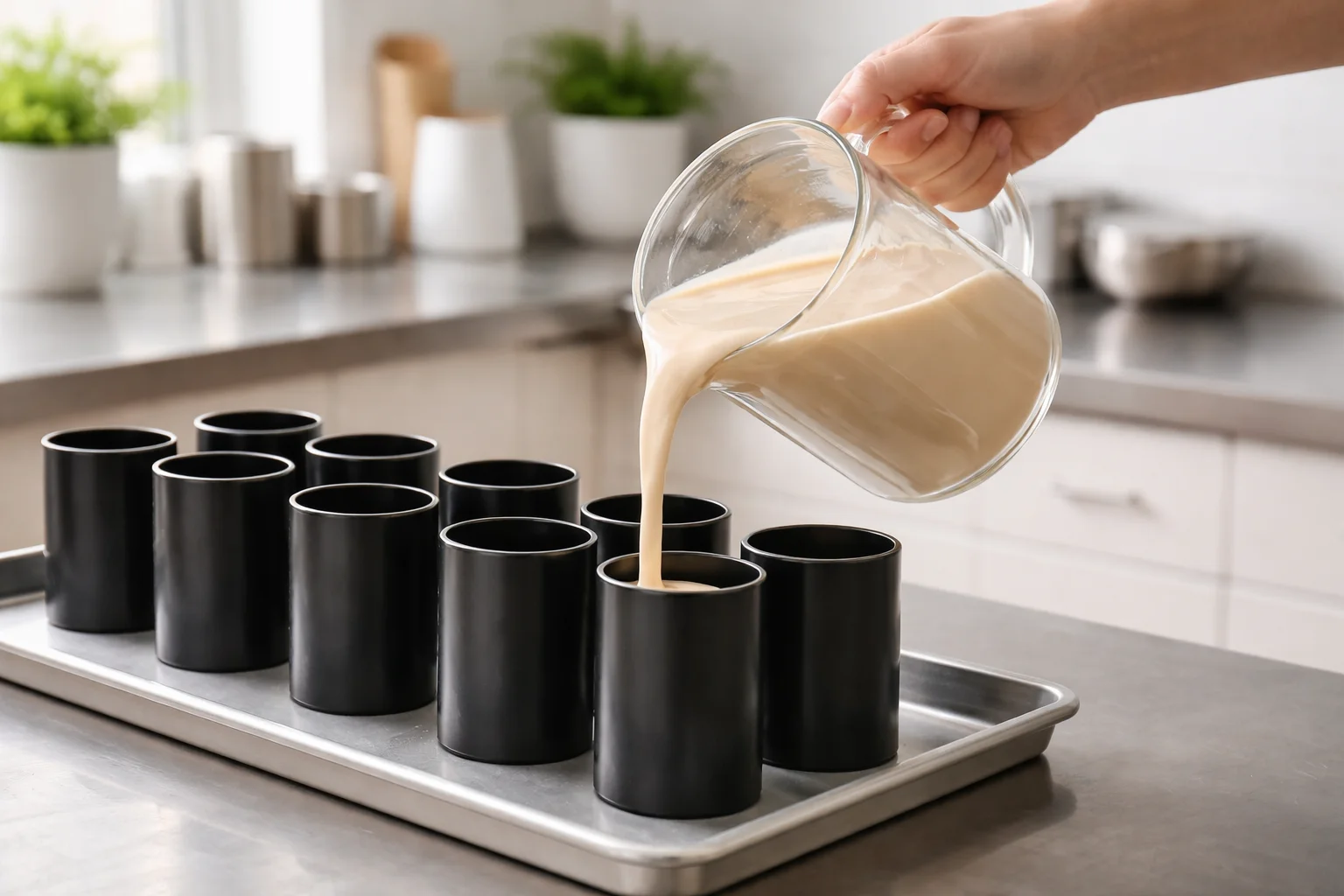
Table of Contents
Why choose a baking soda free deodorant
Baking soda works for a lot of people, but for sensitive skin it can be a troublemaker. It shifts the skin’s balance and can trigger irritation, especially if you shave or if your skin is already reactive. I learned the hard way when I tried a popular DIY years ago and ended up with a rash that looked like I’d been attacked by tiny angry ants.
Going with a baking soda free deodorant is basically choosing comfort first. You can still manage odor, but you do it with gentler powders and smart ingredients that sit nicely on skin.
Also, if you are already swapping to gentler personal care, it pairs really well with a simple routine in general. I like keeping my shower lineup minimal, and when I’m in that “natural everything” mood, I end up browsing things like natural hair care tips too, because it all kind of goes together.
Quick reality check: a natural deodorant helps with odor, but it does not stop sweat the way an antiperspirant does. I still sweat, I just do not smell like I ran a marathon in a wool sweater.
Key ingredients: coconut oil, shea butter, beeswax, arrowroot and DE
This recipe is all about balancing three things: comfort, staying power, and odor control. Here is what each ingredient is doing, in plain language.
What each ingredient actually does
Coconut oil softens everything and makes it spreadable. It also has mild antibacterial properties, which helps with odor. If coconut oil bothers your skin, I’ll share swaps later.
Shea butter is the calming, cushiony part. It makes the deodorant feel more like skincare and less like paste.
Beeswax is what keeps it from melting into a puddle. It also gives you that smooth glide if you pour it into a tube.
Arrowroot powder is the gentle “dry” ingredient that helps absorb moisture. It is way kinder than baking soda for a lot of people.
DE means food grade diatomaceous earth. It is a fine powder that helps with odor control by handling moisture and creating a less friendly environment for stink causing bacteria. The key is using food grade and avoiding breathing the dust when you scoop it.
Optional, but nice: a few drops of essential oil for scent. I like lavender, tea tree, or a tiny bit of sweet orange. If you are very sensitive, skip essential oils at first. Unscented is still lovely.
Exact measurements and equipment
This is the part I wish every DIY post did clearly. So here you go, no guessing.
Ingredients (makes about 1 standard deodorant tube or a small jar)
- 2 tablespoons shea butter
- 2 tablespoons coconut oil
- 1 tablespoon beeswax pellets (or grated beeswax)
- 2 tablespoons arrowroot powder
- 1 tablespoon food grade DE
- Optional: 6 to 10 drops essential oil (start low)
- Optional: 1 capsule vitamin E (helps freshness, not required)
Equipment you will need
- Small heat safe glass bowl or measuring cup
- Small saucepan for a DIY double boiler
- Whisk or mini spatula
- Measuring spoons
- Deodorant tube or small jar
Tip: If you are making this for the first time, a jar is more forgiving. Tubes are great, but consistency matters more, and you may need one tiny adjustment depending on your room temperature.
Also, if you are in your “clean swaps” era, this is one of those easy wins that feels like it belongs with other low fuss routines, like the ideas I’ve tried from this natural hair care category when I want a simpler bathroom shelf.
How to melt, whisk and pour for the right consistency
Do not worry, this is not fussy. The main goal is to melt the wax and butters gently, then whisk in powders off heat so it stays smooth.
1) Add the shea butter, coconut oil, and beeswax to your heat safe bowl.
2) Set the bowl over a small saucepan with a little simmering water. Keep it gentle. You do not want a rolling boil splashing water into your mix.
3) Once everything is melted, remove from heat. Let it cool for about 1 minute so it is still liquid but not piping hot.
4) Sprinkle in arrowroot and DE slowly while whisking. This is where you prevent clumps. If you dump it in all at once, it can get grainy.
5) Add essential oils if using. Stir well.
6) Pour into your tube or jar. Tap it lightly on the counter to settle it.
7) Let it set at room temperature, or pop it in the fridge for 30 to 45 minutes.
Consistency tip: If your home is warm, you may want a touch more beeswax next time. If your home is cool and it feels too firm, reduce beeswax slightly or add a bit more coconut oil.
“I switched to this baking soda free deodorant after years of irritation and it’s the first one that doesn’t make my underarms angry. It held up through a full workday and even a long walk.”
Detox phase and transition tips from conventional deodorant
Let’s talk about the weird part nobody warns you about. When you stop using antiperspirant, your body may sweat differently for a bit. That does not mean the recipe is failing. It just means your underarms are adjusting.
For me, the first week was the most noticeable. I felt like I needed to reapply mid day, and I was extra aware of my own smell. By week two, it calmed down a lot.
Here are a few transition tips that helped:
Wash well in the shower and make sure any deodorant residue is gone.
Dry your skin before applying. This recipe sticks better on dry underarms.
Reapply as needed for the first week or two. I kept a tiny jar in my bag.
Give it time. If you are coming off strong antiperspirants, your body might need a couple weeks.
Small side note: when I do “reset weeks” for my routine, I usually simplify everything at once. Deodorant, body lotion, and even hair products. If you are doing something similar, you might like browsing natural hair care ideas too since scalp sensitivity often goes hand in hand with skin sensitivity.
Texture, tube vs jar use, and ingredient swaps
Let’s make this workable for real life, not just for the perfect Pinterest bathroom.
How to use it depending on the container
Tube: Swipe 1 to 2 times per underarm. If it drags, hold it to your skin for a second so it warms slightly, then glide.
Jar: Use clean fingers and scoop a pea sized amount. Rub between fingertips and apply a thin layer. A little really goes a long way.
Ingredient swaps if you need them:
If coconut oil breaks you out or feels too soft in summer, try fractionated coconut oil for a lighter feel, or use a mix of coconut oil and shea butter with a bit more beeswax to firm it.
If you want it vegan, swap beeswax for candelilla wax. Use less, because it is firmer than beeswax. Start with about 2 teaspoons and adjust next time.
If arrowroot does not agree with you, you can try tapioca starch instead. It feels similar and is still gentle.
If you are super sensitive, skip essential oils entirely. Unscented is underrated and it lowers your chance of irritation.
FAQ on odor control, DE safety and sensitive skin
1) Will this natural deodorant without baking soda actually control odor?
Yes for many people, especially for everyday life. The arrowroot helps with moisture and DE helps keep odor in check. If you are doing intense workouts, you might reapply or use a bit more.
2) Is DE safe to use in deodorant?
Food grade DE is commonly used in DIY personal care. The main safety tip is do not breathe the powder in while measuring. Once it is mixed into oils and wax, that risk drops a lot.
3) What if my underarms still get irritated?
First, go unscented and make sure you are not applying right after shaving. Also try using less, a thin layer is plenty. If irritation continues, stop using it and consider checking with a dermatologist, especially if you have eczema or persistent rashes.
4) Can I make it softer or firmer?
Yes. Softer means reduce beeswax a little or add a touch more coconut oil. Firmer means add a bit more beeswax. Adjust in small amounts so you do not overshoot.
5) How long does it last?
Usually a few months. Store it in a cool, dry place. If it ever smells off or looks odd, toss it and make a fresh batch.
A simple little switch that feels really good
If your skin hates harsh deodorants, this natural deodorant without baking soda is a gentle place to start. You get a smooth, comforting texture, simple ingredients, and a recipe you can tweak until it feels like yours. Keep it unscented if you are sensitive, and give yourself a week or two to adjust if you are coming from antiperspirant. If you try it, I hope it makes your mornings easier and your underarms a whole lot happier.
Natural Deodorant
Materials
Base Ingredients
- 2 tablespoons shea butter Cushiony and calming for the skin.
- 2 tablespoons coconut oil Softens and provides mild antibacterial properties.
- 1 tablespoon beeswax pellets Keeps the deodorant solid and provides smooth application.
Absorbent Ingredients
- 2 tablespoons arrowroot powder Gentle moisture absorber, kinder than baking soda.
- 1 tablespoon food grade diatomaceous earth Helps with odor control by managing moisture.
Optional Ingredients
- 6-10 drops essential oil For scent; recommended: lavender, tea tree, or sweet orange.
- 1 capsule vitamin E Helps maintain freshness, not required.
Instructions
Preparation
- Add the shea butter, coconut oil, and beeswax to your heat-safe bowl.
- Set the bowl over a small saucepan with a little simmering water to create a double boiler.
- Once everything is melted, remove from heat and let it cool for about 1 minute.
- Gently whisk in the arrowroot powder and diatomaceous earth to avoid clumps.
- Add essential oils if desired, and stir well.
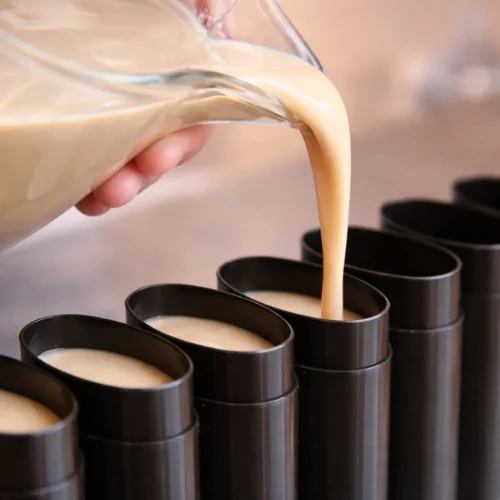
- Pour into a deodorant tube or small jar and tap lightly on the counter.
- Let it set at room temperature or refrigerate for 30 to 45 minutes.