
castile soap face wash recipe is my little backup plan for the days my skin feels cranky and I do not want a complicated routine. You know those mornings when you wake up, look in the mirror, and your face just seems tired, a bit oily, a bit dry, and somehow both at once? Yep, that was me, especially when the weather flips around. I wanted something simple, gentle, and quick that still felt kind of fancy. This one has that clean, soft feel from Castile soap plus the fresh, calming vibe of rose water. And the best part is you can make it in a couple of minutes at the sink. 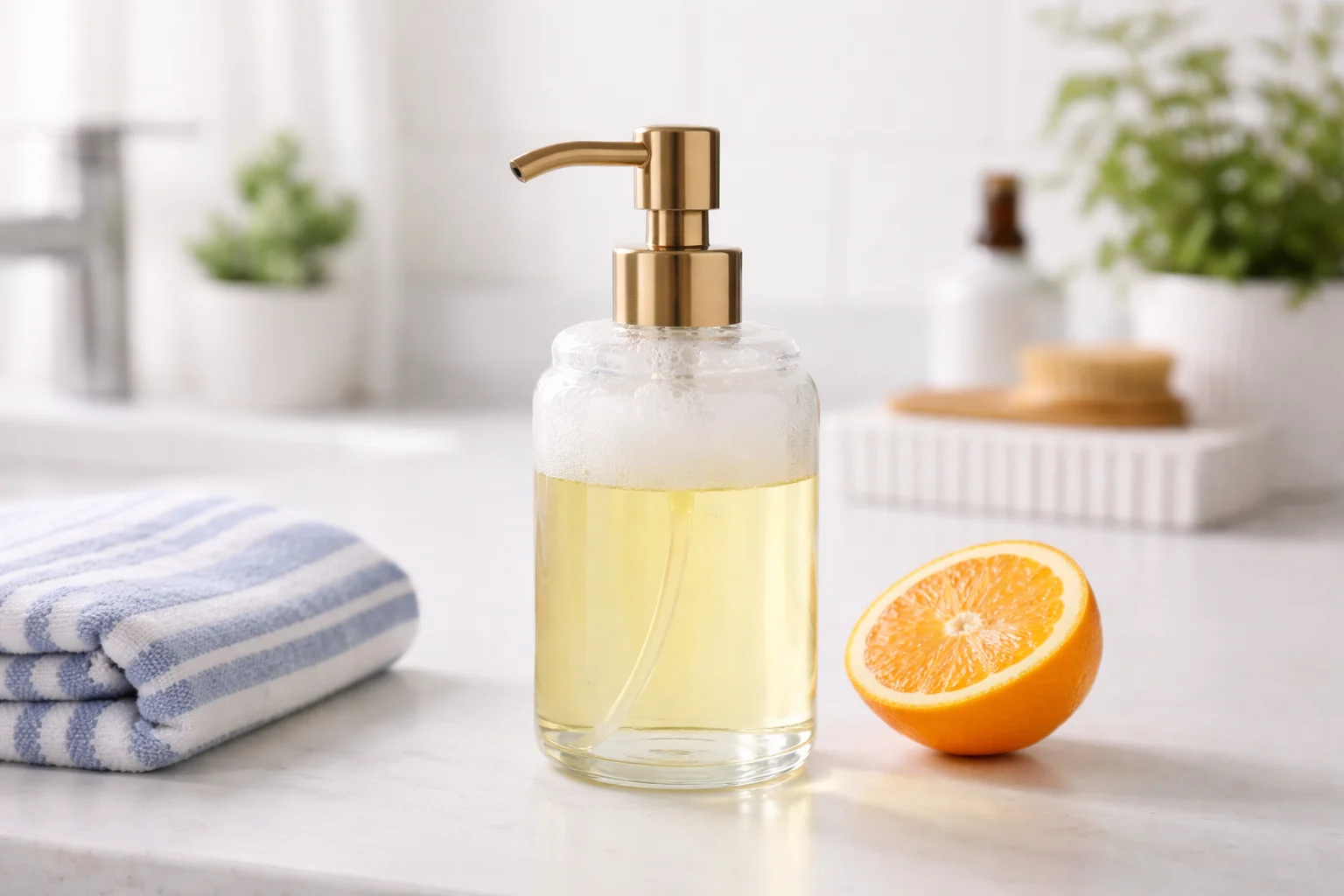
Table of Contents
Why castile soap works for a simple face cleanser
I like Castile soap because it is straightforward. It is a true soap made from plant oils, so it rinses clean and does not leave that heavy film that some cleansers do. When it is diluted correctly, it can be a really nice option for a simple face cleanser, especially if you are the kind of person who hates a crowded bathroom shelf.
Here is the thing though, Castile soap is concentrated. If you use it straight, it can feel too “squeaky” and that can be a sign you are overdoing it. That is why this face wash is all about balance. Rose water brings a gentle, fresh feel, and a tiny bit of almond oil helps keep your skin from feeling tight right after rinsing.
I also like how customizable it is. Some weeks I keep it plain and simple, and other weeks I add a drop of geranium oil because it smells like a clean garden. If you are already into making skin care at home, this cleanser fits right in with that vibe. I often pair it with a richer moisturizer after, like my cozy nighttime favorite from this DIY shea butter face moisturizer when my cheeks feel dry.
Ingredient breakdown for castile soap, almond oil, rose water and geranium oil
Let us talk ingredients in plain language, because I know you are not here for a chemistry class. Each one has a job, and together they make a cleanser that feels gentle but still gets the day off your face.
What each ingredient actually does
- Castile soap: The cleanser part. It lifts sunscreen, light makeup, and daily grime when it is diluted.
- Rose water: Gives that fresh, calm feeling and makes the mixture smell soft and clean.
- Almond oil: Adds a touch of cushion so your skin does not feel stripped. Just a little goes a long way.
- Geranium essential oil: Optional, but it adds a lovely scent and feels like a mini spa moment in your bathroom.
A quick note from personal experience: if your rose water smells “off” or overly perfumey, skip it and find a better one. Rose water should smell light and natural. If you cannot find rose water you love, you can use distilled water and keep the formula super basic.
Also, if you are already in the mood to DIY more than one thing, you might like a gentle oil based cleanse before this. I sometimes do that when I have heavier sunscreen on. This is a good read for that: emulsifying olive oil face cleansing oil.
Exact bottle formula and foaming pump setup
This is the part that makes the whole thing feel easy: a foaming pump bottle. Foam spreads fast, so you use less product and it feels softer on the skin. I use an 8 oz foaming pump bottle, but you can adjust as long as you keep the same general ratios.
My go to 8 oz foaming bottle formula
Use this as a practical starting point:
For an 8 oz foaming pump bottle:
- 2 tablespoons Castile soap
- 1 teaspoon sweet almond oil
- 10 to 12 drops geranium essential oil (optional)
- Rose water to fill the rest of the bottle, leaving a little space at the top
Foaming pump tips that actually matter:
First, make sure your bottle is clean. If it is an old bottle, wash it well and let it fully dry. Second, do not shake it like crazy. With soap, shaking can create a ton of bubbles and you will feel like you are fighting foam instead of making a cleanser. A gentle swirl is perfect.
And yes, the type of Castile soap matters. Some brands are stronger or thinner than others. If your foam feels too intense, use a little less soap next time.
One-step mixing instructions and how to use daily
This is the easiest “recipe” I make in my bathroom, and it is basically one step. I know, it feels like cheating, but that is why I love it.
Mixing instructions:
Add the almond oil and essential oil to the empty bottle first. Then add the Castile soap. Finally, fill with rose water. Put the pump top on and gently swirl it a few times. That is it.
How I use it daily:
I wet my face with lukewarm water, pump 1 to 2 pumps into my hands, and massage it lightly over my skin for about 20 seconds. I rinse well and pat dry with a clean towel. If I wore makeup, I remove it first, then use the cleanser. If your skin is on the drier side, start with once a day at night and see how you feel.
After cleansing, I like following with something comforting. Sometimes I keep it simple with a basic moisturizer, and sometimes I go full cozy with a butter based recipe. If you are into that, this non greasy body butter recipe is a nice option for dry areas like hands and elbows while your face routine stays light.
Sensitive skin variations and essential oil swaps
If you have sensitive skin, you can still try this, but do it gently and do not force it. I have had phases where my skin gets reactive, especially when I am stressed or trying too many new products at once. During those weeks, I simplify everything.
Easy sensitive skin adjustments:
Use less Castile soap, skip essential oils, and keep almond oil very light. You can also try using distilled water instead of rose water if rose water ever stings or feels too fragrant to you.
Essential oil swaps if you do use them:
Geranium is my favorite, but you can swap it with lavender or chamomile for a softer vibe. Just keep it low. For face products, more drops does not mean better results. It usually means irritation.
One more real life tip: patch test. I know it sounds boring, but it saves you from a bad week. Try a little on the side of your jawline for a couple of nights before you go all in.
I started using this cleanser after my skin got irritated from a strong store bought face wash. I kept the recipe super simple with no essential oils, and it felt clean without that tight, dry feeling. The foam bottle made it feel so gentle. It is been my daily wash for two months now.
Storage, amber bottle advice and cost-saving tips
Because this recipe uses water based ingredients, you want to keep things clean and practical. I make small batches so it stays fresh, and I do not end up wasting anything.
Keeping it fresh without overthinking it
Storage tips:
Keep your bottle away from direct sunlight and heat. An amber foaming bottle is nice because it helps protect the scent and quality, especially if you included essential oil. If you only have a clear bottle, just store it in a cabinet or a shaded spot.
How long it lasts:
I aim to use it within 3 to 4 weeks. If it starts smelling weird, looking cloudy in a strange way, or your skin suddenly feels irritated, toss it and make a fresh batch. Clean the bottle well before refilling.
Cost saving tip I learned the hard way:
Do not overpour the Castile soap. The cleanser works because it is diluted. Using more soap does not make it better, it just makes you run out faster and can make skin feel tight. A foaming pump is basically your budget friendly helper here because you use less every wash.
FAQ on dilution, texture and troubleshooting
Why does my face wash feel too strong or drying?
Use less Castile soap next batch. Try 1 tablespoon instead of 2, and keep almond oil in. Also wash once a day until your skin feels happy.
My mixture separated. Did I mess it up?
Nope, that is normal because oil and water do their own thing. Just gently swirl the bottle once or twice before pumping.
It is not foaming well. What should I do?
First check the pump. Some pumps just get tired. If the pump is fine, you might have added too much oil. Next time reduce the almond oil slightly.
Can I use this if I have acne prone skin?
Many people can, but keep it simple. Start with fewer drops of oil, skip essential oils at first, and watch how your skin responds for a week.
Can I make this castile soap face wash recipe in a bigger bottle?
Yes. Just scale it up and keep the same idea: small amount of Castile soap, tiny amount of almond oil, rose water to fill. If you go bigger, make sure you will use it fast enough so it stays fresh.
A quick wrap up before you head to the sink
This castile soap face wash recipe is one of my favorite low effort DIYs because it is fast, customizable, and feels clean without being fussy. The key is proper dilution, a foaming pump bottle, and keeping the oils light. If your skin is sensitive, strip it back to the basics and add extras only if your face is totally fine with it. Try it for a week, take notes on how your skin feels, and adjust the soap amount until it is just right for you.
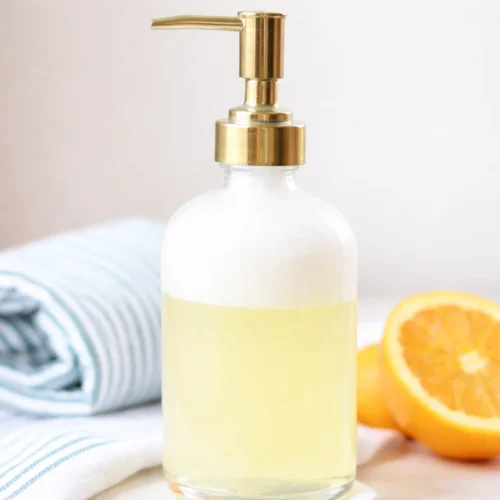
Castile Soap Face Wash
Materials
Main Ingredients
- 2 tablespoons Castile soap Concentrated, use diluted to avoid a heavy feel.
- 1 teaspoon sweet almond oil Helps to prevent skin from feeling tight.
- 10-12 drops geranium essential oil (optional) Adds a lovely scent.
- to fill bottle rose water Fill the remaining bottle space, avoid overly perfumey rose water.
Instructions
Mixing Instructions
- Add the almond oil and essential oil to the empty bottle first.
- Then add the Castile soap.
- Finally, fill with rose water and gently swirl to mix.
How to Use
- Wet your face with lukewarm water.
- Pump 1 to 2 pumps of the cleanser into your hands.
- Massage it lightly over your skin for about 20 seconds.
- Rinse well and pat dry with a clean towel.