
tomato face mask for glowing skin is my little kitchen beauty trick for the days when my face looks tired, a bit dull, and honestly like I forgot to drink water for a week. If you have ever stared at your reflection right before plans and thought, I need a quick glow, you are my kind of person. I am a casual food blogger, so yes, most of my favorite skincare ideas start near the cutting board. Tomatoes are easy to find, cheap, and they smell like summer when you slice them open. Today I am sharing exactly how I use them, what to expect, and how to do it without irritating your skin.
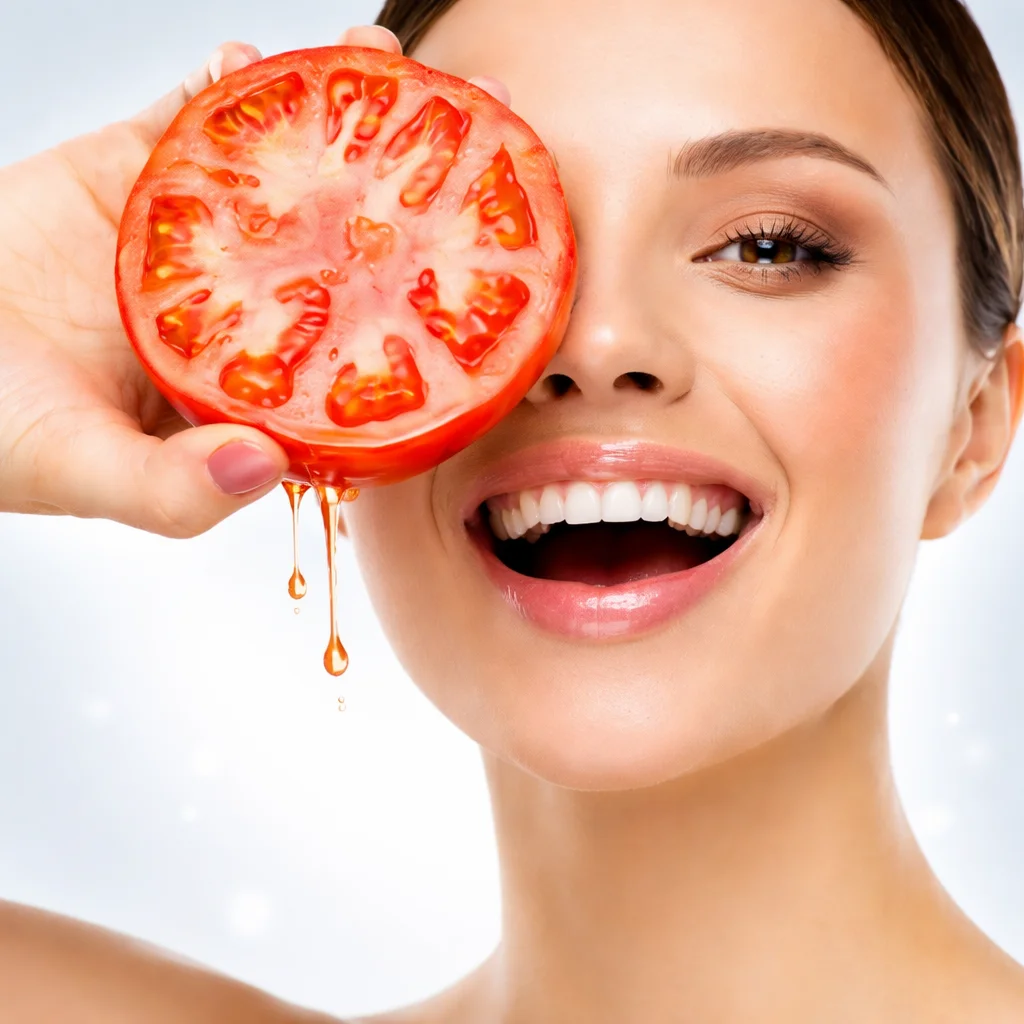
Table of Contents
Benefits of tomato for skin health
Tomatoes are one of those ingredients that pull double duty in my house. They make dinner taste better, and they also make my skin look more awake. The reason people love tomato in skincare is because it naturally contains vitamin C, antioxidants like lycopene, and mild natural acids that can help freshen up the look of skin.
Here is what I notice when I use a tomato face mask for glowing skin consistently (think once or twice a week, not every day):
My face looks less gray and more bright. It feels cleaner, especially around my nose. And on hot, sweaty days, it helps me feel less oily without that tight, squeaky feeling I get from harsh cleansers.
Tomato is not magic, and it is not a replacement for sunscreen or a good moisturizer. But as a simple DIY step, it is one of my favorites. If you love kitchen based skincare too, you might also like this gentle glow option: oatmeal and milk face mask.
Can you rub tomato on your face daily?
I would not do it daily, and I say that as someone who loves simple routines. Tomato has natural acidity, and using it too often can throw your skin off, especially if you are sensitive, dry, or already using strong actives like retinol or exfoliating acids.
My realistic schedule that keeps skin happy
If your skin is normal to oily, 1 to 3 times a week is plenty. If your skin is dry or sensitive, start with once a week, and always mix tomato with something buffering like yogurt, honey, or aloe.
Also, rubbing a raw tomato slice directly on your face can be a bit intense for some people. It sounds cute and easy, but it is more likely to sting around the nose and mouth. I prefer masks where tomato is mixed with soothing ingredients so it sits gently instead of scraping around.
And please, if your skin is sunburned, freshly shaved, or irritated, skip tomato that day. Give your skin a break and go for something calming instead.
Does tomato help brighten or lighten skin?
Let us keep it real. Tomato can help brighten the look of skin by removing dead skin buildup and making your skin look fresher. But it is not a safe or healthy idea to chase “lightening” as in changing your natural skin tone.
What tomato can do, in my experience, is help with the appearance of:
- Dullness from oil and grime
- Uneven looking tone from old blemish marks
- Temporary redness from heat and sweating
If dark spots are your main concern, you might want a more targeted DIY mask for that topic too. I have tried turmeric carefully in tiny amounts, and it can be effective when used responsibly. If you want to read another option, here is a good one to compare with tomato: DIY turmeric face mask for dark spots.
What happens when you apply tomato to the face?
The first thing you might notice is a light tingle, especially if your skin is warm from a shower. That is normal for a lot of people, but it should not burn. Tomato can make your skin feel cleaner and look a bit more “polished” once you rinse it off.
Right after rinsing, your skin may look slightly pink for a few minutes. That usually settles fast. What I love is the soft glow that shows up once I add moisturizer. It is not glittery shine, just that healthy, rested look.
One more thing, tomatoes are watery. So if you are expecting a thick creamy mask, you will want to mix it with something that gives it body like oats, yogurt, or a bit of clay. Otherwise it will drip down your chin, and nobody has time for that.
How tomato may help acne, oil and pores
If you deal with oil, tomatoes can feel like a breath of fresh air. They are naturally astringent in a mild way, which can help the face feel less greasy. For acne prone skin, tomato is not a cure, but it can support a routine by helping keep the surface clean.
This is what I have personally found helpful:
Oil control: Tomato based masks can reduce that mid day shine, especially around the T zone.
Look of pores: You cannot shrink pores permanently, but you can make them look less noticeable by keeping them clear. Tomato plus gentle exfoliation can help with that.
Breakouts: If your breakouts are from clogged pores and excess oil, a tomato mask once or twice a week may help. If you have deep, painful acne, I would treat tomato as an extra, not the main plan. And if your skin is reactive, it might be too stimulating, so patch test first.
On my oily days, I like pairing a face mask night with a body exfoliation routine too, because it just makes me feel reset. If you are into that “everything shower” vibe, check out this scrub idea: peppermint salt scrub for smooth glowing skin.
How to use tomato on face safely
Kitchen skincare can be lovely, but it has to be done with some common sense. Here is how I keep it safe and comfortable.
Quick safety rules I always follow
- Use ripe tomato, not underripe. Underripe can be harsher and more acidic.
- Do not leave it on too long. 5 to 10 minutes is plenty for most people.
- Avoid the eye area and corners of the mouth.
- Rinse with lukewarm water, then moisturize right away.
- If you are going outside, wear sunscreen. Brightening ingredients plus sun exposure is a bad combo.
Also, please do not mix tomato with lemon juice. I know the internet loves that combo, but it is way too irritating for many people and can make your skin more sensitive to sunlight. Tomato is enough on its own.
And just to say it clearly, if you have a tomato allergy or you react to nightshades, skip this whole idea. There are plenty of other gentle masks out there.
4 DIY tomato face mask recipes
Ok, here is the fun part. These are my go to recipes when I want a tomato face mask for glowing skin without turning my bathroom into a salad bar. All you need is a small bowl, a spoon, and a soft towel you do not mind getting stained.
What you will need
- 1 ripe tomato (or 2 tablespoons tomato pulp)
- A small bowl and spoon
- Clean face and clean hands
- A timer because guessing leads to leaving it on too long
Recipe 1: Tomato and honey glow mask
Mash 2 tablespoons tomato pulp with 1 teaspoon honey. Apply a thin layer, leave for 7 minutes, rinse, moisturize. This one feels soothing and is great when my skin looks dull.
Recipe 2: Tomato and yogurt bright look mask
Mix 2 tablespoons tomato pulp with 1 tablespoon plain yogurt. Leave for 5 to 8 minutes. This is my favorite for that “I slept well” look. If your skin stings with yogurt, use less or skip it.
Recipe 3: Tomato and oatmeal calming scrub mask
Mix 2 tablespoons tomato pulp with 1 tablespoon finely ground oats. Let it sit for 2 minutes to thicken, then apply gently. Do not scrub hard. Leave 5 minutes and rinse. I use this when my nose feels rough.
Recipe 4: Tomato and aloe cooling mask
Mix 2 tablespoons tomato pulp with 1 tablespoon aloe vera gel. Leave for 8 to 10 minutes. This is the one I do in summer when my skin feels hot and annoyed.
When I want extra moisture after any of these, I follow with something creamy. If you like DIY moisturizing steps, you can explore this one too: DIY almond oil face cream for glowing skin.
Side effects, patch testing and best practices
Even a simple tomato face mask for glowing skin can cause issues if your skin is sensitive or if you leave it on too long. The most common side effects are stinging, redness, dryness, and in rare cases, a rash.
Patch test the easy way: Put a tiny amount of your mixed mask on the jawline or inner arm for 10 minutes, rinse, and wait 24 hours. If you get itching, bumps, or lasting redness, skip it.
Best practices that make a big difference:
- Use it at night if possible, especially the first time.
- Do not combine with strong exfoliants the same day.
- Moisturize after, even if your skin is oily.
- If you feel burning, wash it off right away.
I tried the tomato and honey mask before a weekend brunch and my skin looked so fresh in natural light. No makeup, just moisturizer, and I felt weirdly confident walking out the door.
If you are dealing with ongoing irritation, acne that hurts, or discoloration that keeps spreading, it is worth checking in with a dermatologist. DIY is fun, but your skin health matters more than any quick glow.
Common Questions
How long should I keep tomato on my face?
Start with 5 minutes. If your skin tolerates it well, you can go up to 10 minutes. Longer is not better here.
Can I use tomato face mask if I have sensitive skin?
You can try, but dilute it with aloe, honey, or yogurt and patch test first. If you are easily irritated, use it less often.
Will tomato remove tan?
It can help brighten the look of sun dullness over time, but it will not erase sun damage. Sunscreen and patience are the real heroes.
Can I store leftover tomato mask?
I do not recommend it. Fresh is best because tomato oxidizes fast. Make a small amount and toss the rest.
What should I do after the mask?
Rinse gently, pat dry, and apply a simple moisturizer. If it is daytime, finish with sunscreen.
A quick pep talk before you try it
If your skin has been looking a little blah lately, this is an easy, affordable way to bring some life back into it. Keep it gentle, keep it consistent, and do not push past what feels comfortable. The best tomato face mask for glowing skin is the one you can actually stick with without irritation. Try one recipe, take a selfie in good light a few days later, and see how your skin feels. And if you end up loving it, you will always have a glow trick sitting right there in your produce drawer. Want more beauty homemade recipes? Visit my Pinterest account.
Tomato Face Mask
Materials
Main Ingredients
- 1 ripe tomato 1 ripe tomato Use ripe tomatoes to avoid excessive acidity.
Optional Additives
- 2 tablespoons 2 tablespoons tomato pulp Can be used as an alternative to one whole tomato.
- 1 teaspoon 1 teaspoon honey Soothing and moisturizing.
- 1 tablespoon 1 tablespoon plain yogurt For brightening effect.
- 1 tablespoon 1 tablespoon finely ground oats Calming for rough skin.
- 1 tablespoon 1 tablespoon aloe vera gel Cooling effect for hot skin.
Instructions
Preparation and Application
- In a clean bowl, mash the ripe tomato or mix tomato pulp.
- Depending on the recipe you’re using, mix with honey, yogurt, oats, or aloe as indicated.
- Apply a thin layer of the mixture onto your clean face.
- Set a timer and leave the mask on for 5 to 10 minutes.
- Rinse off gently with lukewarm water.
- Moisturize immediately after rinsing.