
goat milk body butter recipe time, because if your skin gets dry and cranky the minute the weather shifts, you are definitely not alone. I started making my own body butter after one too many store bought jars that smelled nice but did basically nothing. This one is creamy, rich, and honestly feels like a little comfort blanket for your hands and legs. It is also a fun weekend project that makes your bathroom feel a bit more cozy and homemade. If you have ever wanted a simple, nourishing moisturizer you can tweak to your own scent and texture, you are in the right place.
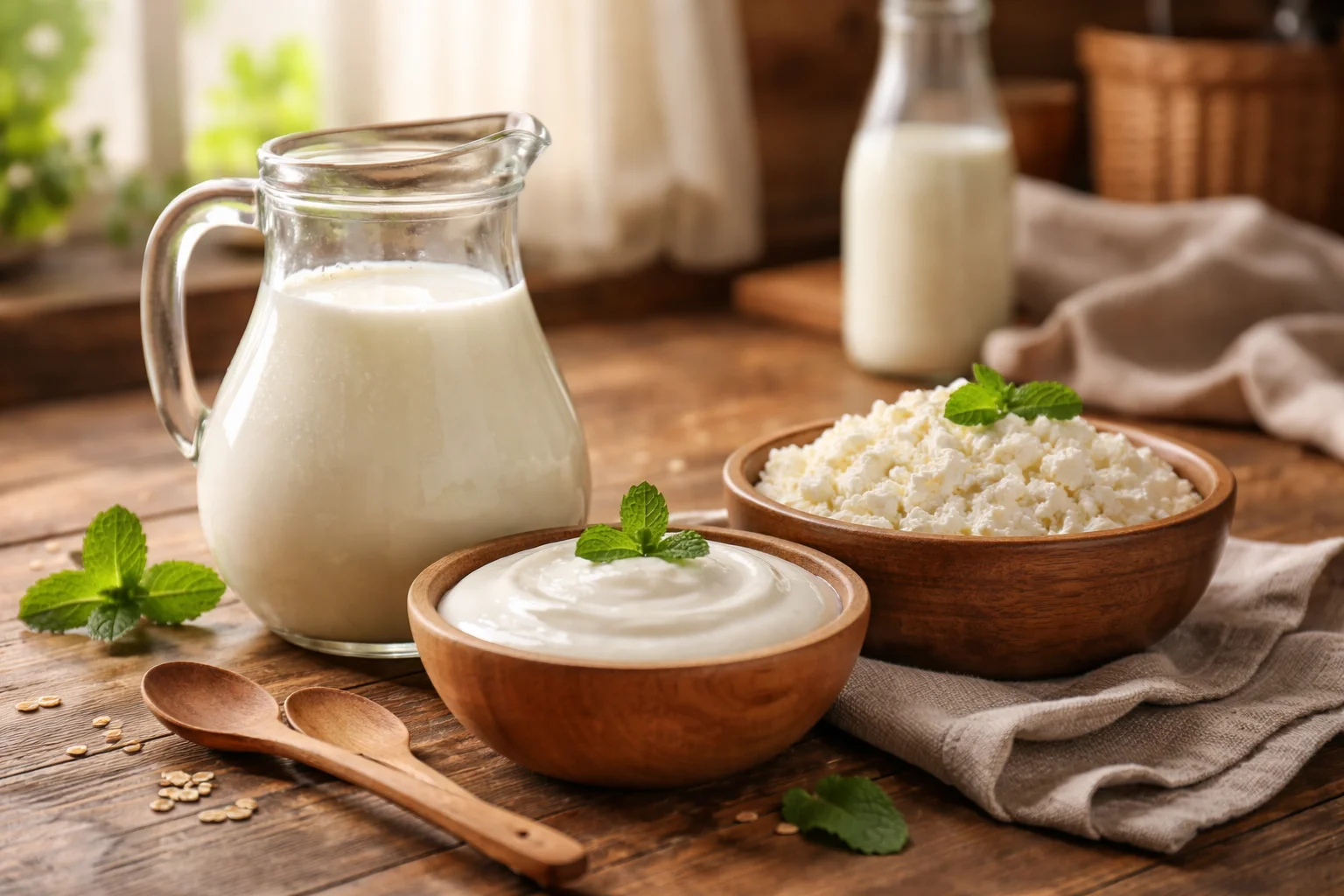
Table of Contents
Why Use Goat Milk in Body Butter
Goat milk has a long, practical reputation in skin care, and once you try it, you get why people stick with it. It is naturally gentle and gives the butter a soft, pampering feel. I like it because it helps the final product feel more comforting than a plain oil balm.
Here is what makes it worth using in a body butter:
It feels soothing on dry spots like elbows, knees, and hands. Goat milk is often recommended for sensitive skin types, and while everyone is different, many people find it less irritating than heavily fragranced lotions.
It adds a creamy vibe to the texture. Even though we are using it in a powdered form for stability, it still helps that body butter feel more cushiony and less greasy.
It pairs well with simple ingredients. You do not need a long, complicated list to make something that feels special. A few good butters, a little goat milk, and a clean jar go a long way.
One quick note from experience: if you have a milk allergy, patch test first or skip the goat milk. Comfort is the goal, not a surprise reaction.
Ingredients You’ll Need
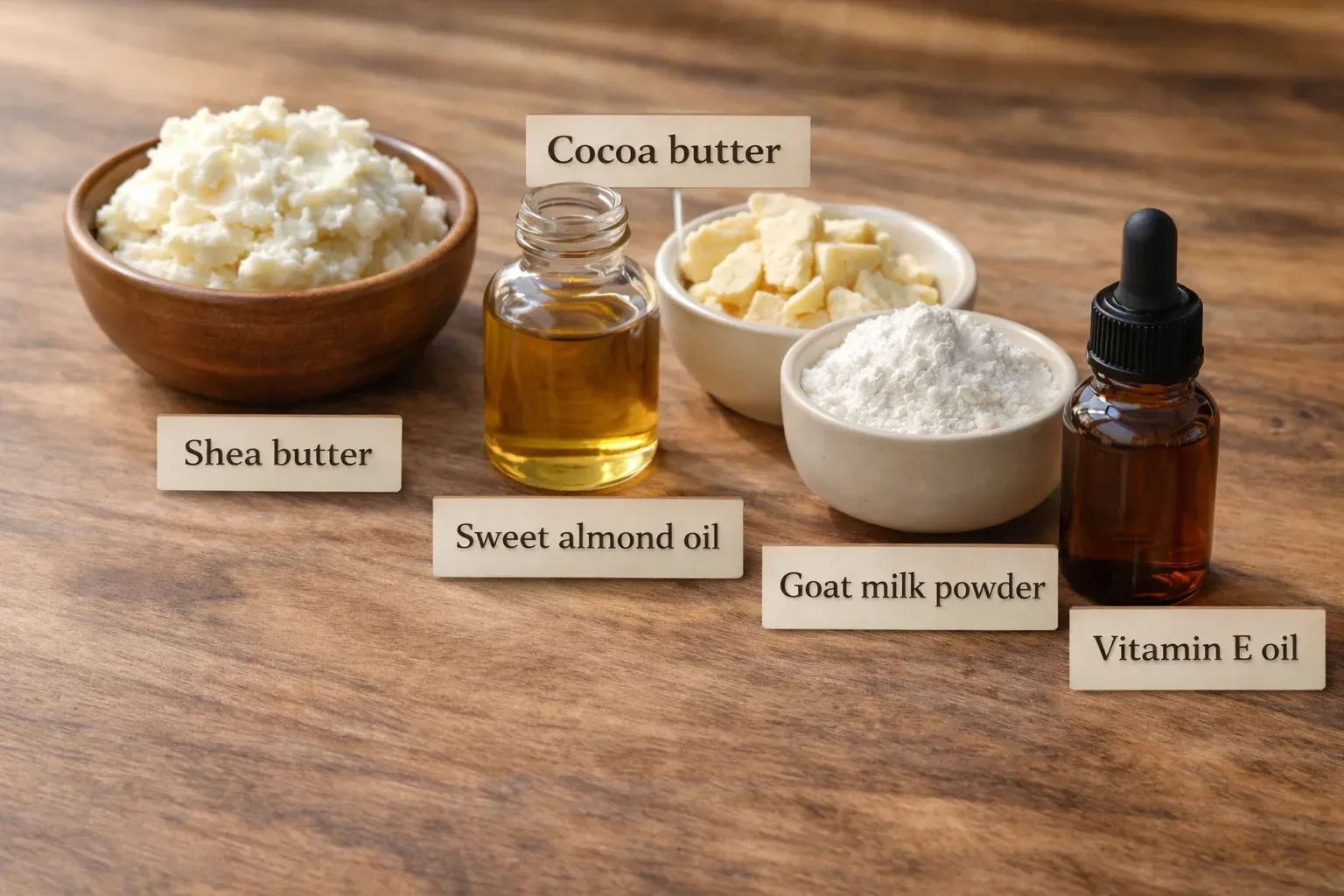
I keep this recipe pretty straightforward. The goal is creamy moisture that melts into your skin, not a complicated science project. The ingredient quality matters, so if you can, buy fresh smelling butters and oils that have not been sitting open forever.
- Shea butter, 1/2 cup (rich and protective, great for dry skin)
- Cocoa butter, 1/4 cup (adds firmness and that smooth, velvety feel)
- Sweet almond oil or jojoba oil, 1/4 cup (helps spread easily)
- Goat milk powder, 1 to 2 teaspoons (start with 1 for a smoother finish)
- Vitamin E oil, 1/2 teaspoon (helps slow oils going stale)
- Optional essential oil, 8 to 15 drops (lavender, vanilla like fragrance oil made for skin, or a gentle blend)
What you will need tool wise: a heat safe bowl, a small pot for a water bath, a whisk or hand mixer, a spatula, and a clean jar with a lid.
Little personal tip: if you want a totally scent free version, skip essential oils. I do that when I am making a jar for someone who is sensitive to fragrance. It still smells lightly like cocoa butter and shea, which is honestly kind of delicious in a cozy way.
How to Make Goat Milk Body Butter
This is the part that feels like a mini spa day in your kitchen. You melt, you whip, you scrape the bowl, and suddenly you have a fluffy jar of goodness.
1) Set up a gentle water bath. Put a little water in a small pot and bring it to a low simmer. Place your heat safe bowl on top, making sure the bottom is not sitting directly in water.
2) Melt the butters. Add the shea butter and cocoa butter to the bowl. Stir occasionally until just melted. Try not to overheat it. You want melted, not sizzling.
3) Add your liquid oil. Once the butters are melted, stir in sweet almond oil or jojoba oil. Remove from heat.
4) Cool it down. This matters. Let the mixture cool until it looks slightly opaque around the edges. If you are impatient like me, pop the bowl in the fridge for 10 to 15 minutes. You do not want it rock hard, just cooler and thicker.
5) Whip. Use a whisk or hand mixer to whip until it turns lighter in color and looks fluffy. This can take a few minutes. Scrape down the sides so it all mixes evenly.
6) Add goat milk powder, vitamin E, and scent. Sprinkle in the goat milk powder slowly while mixing so it does not clump. Then add vitamin E and your optional scent. Whip again for about 30 seconds.
7) Jar it up. Spoon into a clean jar, tap it gently on the counter to settle air pockets, and close the lid.
This goat milk body butter recipe makes a small jar that lasts longer than you think, because a little bit goes a long way. If your skin is extra dry, you will love it after a shower when your skin is still slightly damp.
Texture and Emulsifying Tips
Let us talk texture, because this is where people get frustrated. Body butter can go grainy, too soft, or weirdly stiff depending on temperature and how fast it cools.
- Avoid graininess: Shea butter can get grainy if it melts and cools slowly or repeatedly. The best fix I have found is cooling the melted mix a bit faster, then whipping. If your kitchen is warm, the fridge step is your friend.
- Want it firmer? Add a little more cocoa butter next time, like 1 or 2 extra tablespoons. Cocoa butter helps it hold its shape.
- Want it softer? Use a bit more liquid oil. Just do not go wild or it can turn into a balm that never quite whips.
- Do you need an emulsifier? In this specific recipe, we are not adding water, so you do not need a classic emulsifier. Goat milk powder is not the same as adding liquid milk. That is what makes this easier and more shelf stable than a lotion.
Also, try not to whip in a steamy kitchen right next to boiling pasta. Extra moisture floating around is not what you want while jarring it. I learned that one the annoying way.
How to Store Goat Milk Body Butter Safely
Because this is an oil based body butter with goat milk powder, it stores pretty well if you are clean about it. Still, you want to treat it like a product that can go stale over time.
- Use a clean, dry jar and do not let water get inside. Water is what raises the risk of spoilage. I like using a small spatula to scoop instead of wet fingers fresh out of the shower.
- Store it cool and away from sunlight. A bathroom shelf is fine if it is not right next to a hot shower area. If your house runs hot, store it in a drawer or closet.
- Watch for changes. If it smells off, looks odd, or changes color drastically, toss it. With fresh ingredients and vitamin E, you can often get a few months of good quality, sometimes longer, but trust your senses.
I made a jar with lavender for my hands at work and it saved my knuckles in winter. It soaks in fast and feels like a treat every time I use it.
If you plan to gift it, write the date on a little label. It looks cute and it is genuinely helpful.
Best Ways to Use It
This is where the fun happens, because you start finding all the little moments when this butter feels like exactly what you needed.
- After shower moisture: Use a small amount on slightly damp skin. It spreads easier and feels less heavy.
- Night time hand rescue: Rub a pea sized amount into your hands, then pay extra attention to cuticles. If your hands are rough, cotton gloves overnight are magic.
- Dry patch spot treatment: Elbows, knees, ankles, and heels love this stuff. I keep a tiny jar by my bed for feet because I cannot be trusted to remember otherwise.
- Post shave comfort: If your legs feel tight after shaving, a little body butter can make them feel calm and smooth.
This goat milk body butter recipe is rich, so start small. You can always add more, but if you scoop out a huge glob, it can feel greasy until it settles in.
FAQ
Can I use fresh goat milk instead of goat milk powder?
I would not for this recipe. Fresh milk adds water, and then you need a real preservative system and an emulsifier to keep it safe and stable. Goat milk powder keeps it simple.
My body butter turned grainy. Can I fix it?
Yes. Melt it gently again, cool it faster, and whip. Graininess is usually a cooling and temperature issue, especially with shea butter.
Is this okay for sensitive skin?
Often it is, but everyone is different. Keep it fragrance free for the gentlest version and do a small patch test first, especially if you have eczema prone skin.
Can I make it without cocoa butter?
You can, but it may be softer. Replace with more shea butter for a softer butter, or try mango butter for a lighter feel.
How long does it last?
If you keep it dry and clean, it can last for months. Vitamin E helps, but it is not a preservative. If anything smells stale or odd, throw it out and make a fresh batch.
One Last Cozy Nudge to Try It
If dry skin has been bugging you, this goat milk body butter recipe is such a satisfying fix to make at home. You get that creamy, nourishing moisture without a long ingredient list you cannot pronounce. Keep it cool, keep water out of the jar, and tweak the scent or oils until it feels like your perfect match. If you make a batch, stash a little jar in your bag or by the sink and thank yourself later. Looking for more recipes like this? Check out cocoa body butter recipe.
Want more beauty homemade recipes? Visit my Pinterest account.
Goat Milk Body Butter
Materials
Main Ingredients
- 1/2 cup Shea butter Rich and protective, great for dry skin.
- 1/4 cup Cocoa butter Adds firmness and that smooth, velvety feel.
- 1/4 cup Sweet almond oil or jojoba oil Helps spread easily.
- 1 to 2 teaspoons Goat milk powder Start with 1 for a smoother finish.
- 1/2 teaspoon Vitamin E oil Helps slow oils from going stale.
- 8 to 15 drops Optional essential oil Lavender, vanilla or a gentle skin-safe blend.
Instructions
Preparation
- Set up a gentle water bath: Place a heat-safe bowl over a small pot of simmering water.
- Melt the shea butter and cocoa butter in the bowl, stirring occasionally until just melted.
- Add sweet almond or jojoba oil to the melted butters and remove from heat.
- Let the mixture cool until it looks slightly opaque around the edges. Chill in the fridge for 10-15 minutes if needed.
- Whip the cooled mixture using a whisk or hand mixer until it turns lighter and fluffier.
- Slowly add the goat milk powder while mixing to avoid clumping, then add Vitamin E and optional essential oil. Whip for an additional 30 seconds.
- Spoon the mixture into a clean jar, gently tap to remove air pockets, and seal with a lid.