
Making sugar wax for coarse hair sounds easy until the paste turns too soft and slides over thick hair instead of gripping it. After a few failed batches, I found a stronger sugar wax recipe that reaches the right deep amber stage, holds better, and removes coarse hair more cleanly at home. If you want a homemade sugar wax that actually works on stubborn hair, this is the method I recommend.
If you want something effective, budget friendly, and made from pantry basics, you are in the right place. Let me walk you through what works, what doesn’t, and how to choose between sugaring and traditional waxing without the stress.
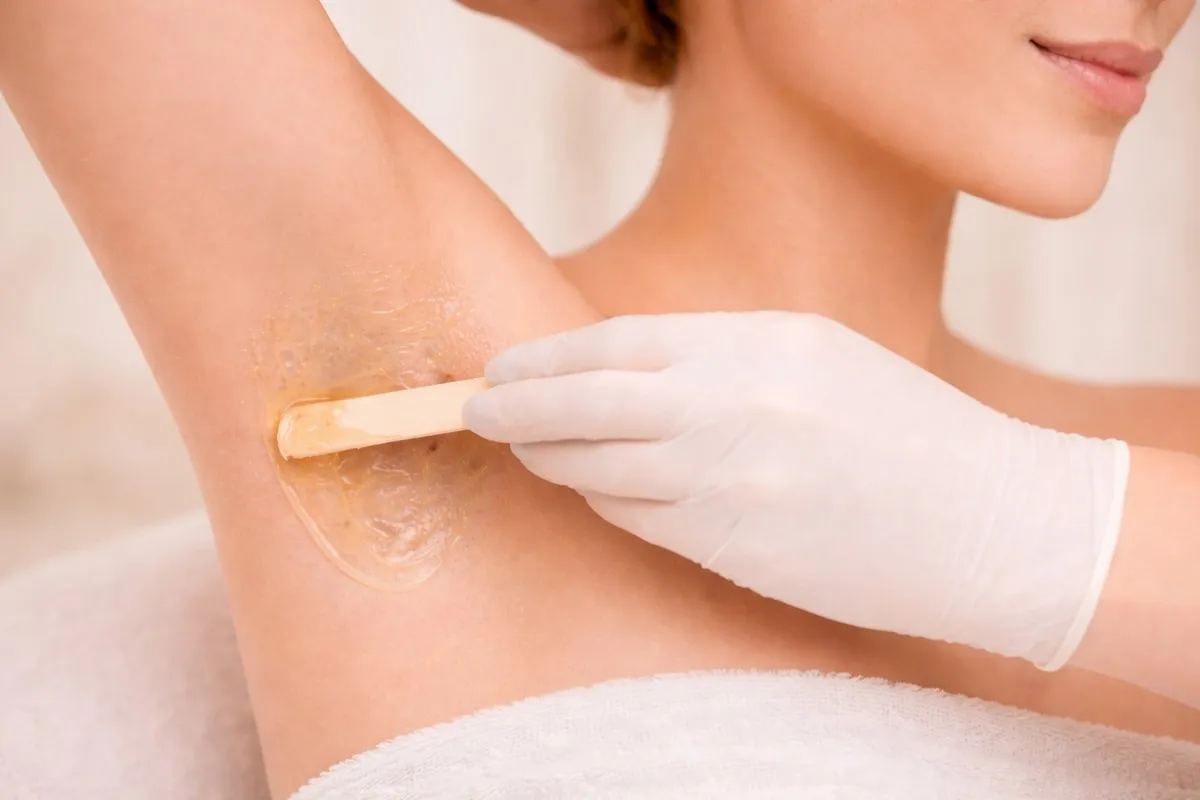
Table of Contents
Why This Sugar Wax Works Better for Coarse Hair
- It cooks to a deeper amber stage for a firmer, more workable hold
- It grips thick hair better than softer sugar paste
- It uses simple ingredients: sugar, lemon, and water
- It rinses off easily with warm water
Benefits of Sugaring
When sugaring goes well, it’s honestly kind of magical. Your skin feels clean, not coated. And because you can make it with kitchen staples, it’s one of the most budget friendly ways to keep up with hair removal.
Why I like sugaring for coarse hair
Coarse hair can be stubborn, so the sugar paste has to be the right consistency. A stronger batch is thicker, a little more elastic, and it actually grips those tougher hairs instead of sliding over them. When I nail it, I get that smooth result without going over the same spot a million times.
Here are the benefits I notice most:
- Simple ingredients that you can pronounce and control.
- Easy cleanup because sugar paste dissolves with warm water.
- Gentler feel for a lot of people, especially if your skin gets cranky.
- Less waste since you can use a reusable ball of paste if you do it stripless.
My strong sugar wax recipe for coarse hair is basically designed for that “I need this to actually work on thick hair” moment. If you have fine hair, you can cook it slightly less. But coarse hair needs a firmer set, kind of like the difference between honey and taffy.
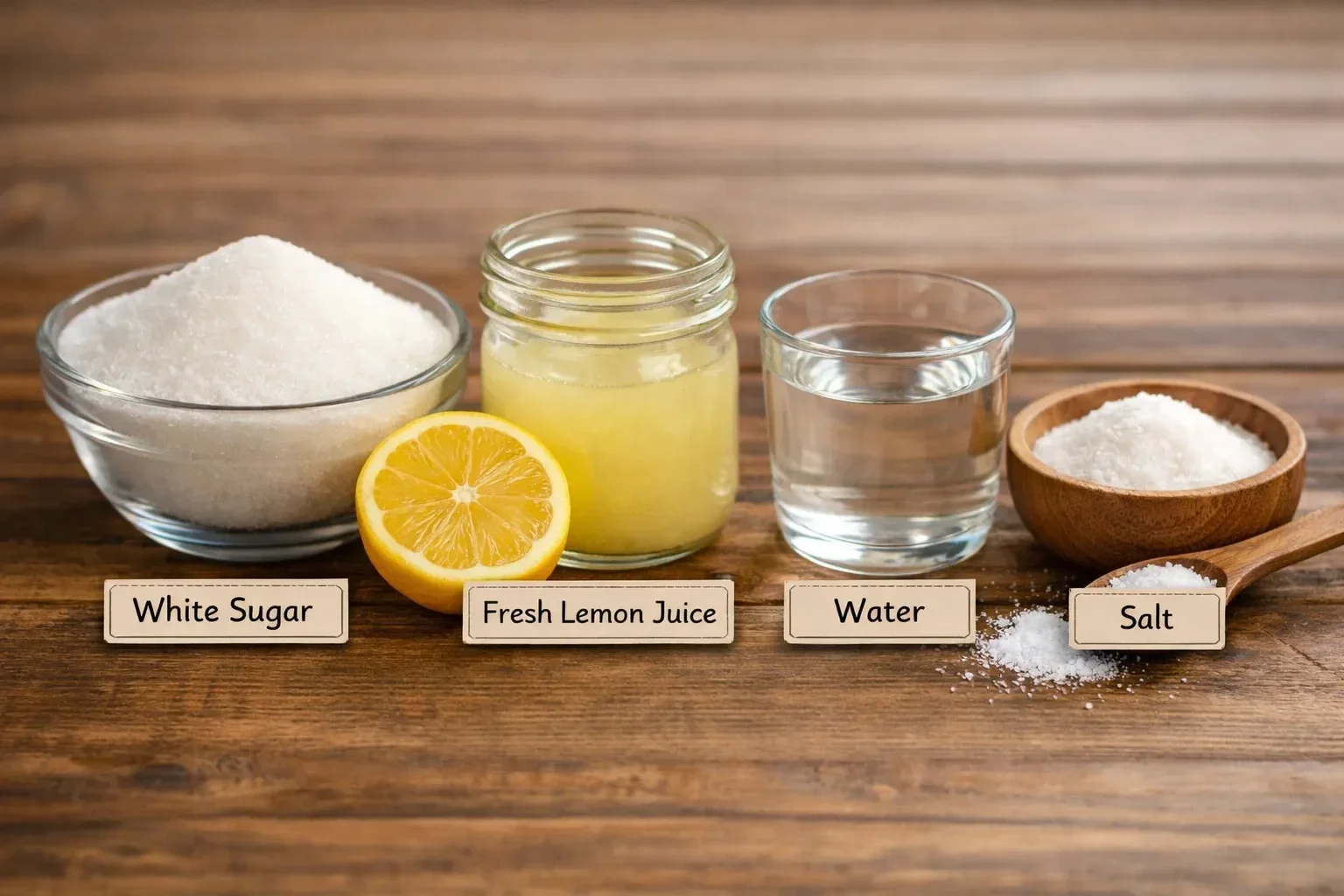
Ingredients (small batch that still lasts a while):
- 2 cups white sugar
- 1/4 cup fresh lemon juice (bottled works too, but fresh is nice)
- 1/4 cup water
- Optional: 1 teaspoon salt (this can help with firmness in humid weather)
Directions (my no panic method):
- Add everything to a heavy bottom saucepan and stir while cold, just to combine.
- Turn the heat to medium and let it start bubbling. Once it bubbles, stop stirring a lot. Just an occasional gentle swirl of the pan.
- Watch the color. You want a deep amber, like dark honey. For coarse hair, I cook it a little darker than the “golden” stage.
- When it’s amber, remove from heat and carefully pour into a heat safe jar.
- Let it cool until it’s warm and workable, not hot. This can take 30 to 60 minutes depending on your room.
How to use it for best grip:
- Clean and dry your skin. Any lotion or oil will make the paste slip.
- Dust a tiny amount of cornstarch or baby powder so it grabs hair, not moisture.
- Apply paste against hair growth. Pull it off in the direction of hair growth with a quick flick.
- Hold your skin taut. It really helps.
If you’re doing a full at home session, I always recommend a calm after care routine. I like using something conditioning on hair and skin later in the day, and if your hairline or edges get dry from all the showering and cleansing, this castor oil leave-in hair conditioner is a nice idea to keep in your back pocket.
Benefits of Waxing
I’ll be fair, waxing has its perks too. There’s a reason it’s still a go to for quick results. If you buy a good wax and follow directions, you can get consistent performance without having to cook anything.
When waxing makes more sense
If you are short on time or you just don’t want to babysit sugar syrup on the stove, waxing can feel simpler. You warm it, apply it, pull it, done. Also, if you’re new to hair removal, some wax kits come with very clear steps and pre wax wipes that make the whole thing feel less intimidating.
Here’s what waxing tends to do well:
- Fast setup if you use a ready to go kit.
- Strong hold on coarse hair, especially with hard wax.
- Good for larger areas like legs when you want speed.
- Salon consistency if you use the same product every time.
“I tried her stronger sugar batch and loved it, but I still keep hard wax for my legs when I want speed. The sugar is my choice for sensitive spots though.”
The biggest thing with waxing is respecting your skin. If you use retinoids, strong exfoliants, or you’re sunburned, waxing can be a bad idea. Same goes for sugaring, honestly, but wax can feel harsher if your skin is already irritated.
Key Differences between Sugaring and Waxing
This is the part most people want spelled out, because the internet makes it sound like one is always better. I don’t think it’s that simple. It’s more about what your skin likes and what you can realistically keep up with.
The real world differences that matter
Ingredients and cleanup: Sugar paste is water soluble, so cleanup is easier. Wax can leave residue and needs oil to remove it.
Heat level: Sugaring is often used warm, not hot. Wax is commonly hotter, depending on the type and warmer.
Technique: Sugaring paste is applied against growth and removed with growth. Waxing is usually applied with growth and removed against growth. Either way, you need a quick pull and tight skin.
How it feels: Many people say sugaring feels less intense, but pain is personal. On coarse hair, a strong sugar wax recipe for coarse hair can still give you that “okay, I felt that” moment.
Cost: Sugaring is cheaper over time if you DIY. Waxing costs more if you constantly buy kits or go to a salon.
If you’re specifically trying to master sugar at home, remember this: the paste texture is everything. Too light and it smears. Too dark and it can become brittle. For coarse hair, I aim for that deep amber stage so the sugar wax for thick hair has real bite to it.
Comparative Overview of Sugaring and Waxing
Before we get into my favorite strong sugar wax recipe for coarse hair, it helps to understand what sugaring and waxing really are in plain language. Both methods remove hair from the root, so you get smoother skin longer than shaving. The difference is mostly the product (sugar paste vs resin wax), the way it’s applied, and the way it’s pulled off.
Sugaring is made from sugar, lemon, and water. When it’s done right, it feels like a thick, tacky caramel. Waxing usually uses a store bought wax that can be resin based, and it often needs strips (depending on the type). Sugaring can be stripless, especially when your paste is strong enough and your technique is decent.
Here’s the way I explain it to friends:
- Sugaring is like cooking candy that turns into a hair grabbing paste.
- Waxing is more like using a pre made product designed for fast salon style hair removal.
- Both can work on coarse hair, but the “best” choice depends on your pain tolerance, your skin, and whether you want DIY or ready to go.
And yes, if you are into DIY body care like I am, sugaring fits right in with the vibe. I even keep little at home care routines together, like pairing hair removal with gentle moisturizers and simple skin and hair recipes from my favorite natural hair care corner for after care ideas.
Recommendations for Best Hair Removal Method
If you’re standing in your bathroom deciding what to do, here’s my straight up advice based on years of trial and error.
Choose sugaring if:
- You want a DIY method with pantry ingredients.
- You like easy cleanup and less product residue.
- You want to make a stronger paste that targets coarse hair.
Choose waxing if:
- You want speed and convenience.
- You prefer a predictable product with fewer “cooking variables.”
- You need a super firm grip and you already know your skin tolerates it well.
My personal sweet spot is this: I use my strong sugar wax recipe for coarse hair for underarms and bikini line because I like the cleanup and control. For legs, I go either way depending on my mood. If I have time, sugaring. If I’m rushing, wax.
Also, don’t skip prep and after care. Exfoliate gently the day before, not right before. Keep skin clean and dry when you start. Afterward, wear loose clothing and avoid hot baths for the rest of the day. These little things matter more than people think.
Common Questions
Why did my sugar paste turn runny and not work on coarse hair?
It probably wasn’t cooked long enough. For coarse hair you need a deeper amber color so it firms up when it cools.
What if my sugar paste got too hard?
Try warming the jar in a bowl of hot water for a few minutes. If it’s still brittle, you may have cooked it too far. Next time, pull it off the heat a little earlier.
Can I use this sugar wax for thick hair on sensitive skin?
Usually yes, but do a small patch test first. Also avoid sugaring over broken skin, fresh exfoliation, or irritation.
How long does homemade sugar wax last?
If you keep it in a clean sealed container, it can last for weeks to months. If it looks or smells off, toss it and make a fresh batch.
How long should my hair be for sugaring or waxing?
Aim for about a quarter inch. Too short and it won’t grab. Too long and it can feel more painful, so trim if needed.
A quick pep talk before you try it
If you’re curious, give my strong sugar wax recipe for coarse hair a try on a small area first and see how your skin reacts. Once you get the cook time right, it becomes one of those at home skills that saves money and feels oddly satisfying. Want more beauty homemade recipes? Visit my Pinterest account.
Strong Sugar Wax
Materials
Main Ingredients
- 2 cups white sugar
- 1/4 cup fresh lemon juice Bottled works too, but fresh is nice.
- 1/4 cup water
- 1 teaspoon salt Optional, can help with firmness in humid weather.
Instructions
Cooking the Wax
- Add all ingredients to a heavy bottom saucepan and stir while cold to combine.
- Turn the heat to medium and let it start bubbling. Stop stirring frequently, just swirl occasionally.
- Watch the color as it cooks. You’re aiming for a deep amber, like dark honey.
- Once it reaches the amber stage, remove from heat and carefully pour into a heat safe jar.
- Let it cool until warm but workable (30 to 60 minutes).
Using the Wax
- Clean and dry your skin; any lotion or oil will make the paste slip.
- Dust a tiny amount of cornstarch or baby powder on the area for better grip.
- Apply the paste against hair growth and pull it off in the direction of hair growth with a quick flick.
- Hold your skin taut while pulling to improve effectiveness.