
DIY Ginger Oil for Hair Growth
ginger oil for hair growth was not on my radar until I had one of those weeks where my ponytail felt sad and my scalp felt itchy at the same time. You know the vibe, you switch shampoos, you try to drink more water, and still your hair brush looks a little too full. I wanted something simple, natural, and honestly kind of comforting to do at home. Ginger has that warm, zingy feel that makes you think it is doing something, and that is exactly why I started playing with a scalp oil. Today I am sharing my favorite DIY method, plus a backup variation for busy days.
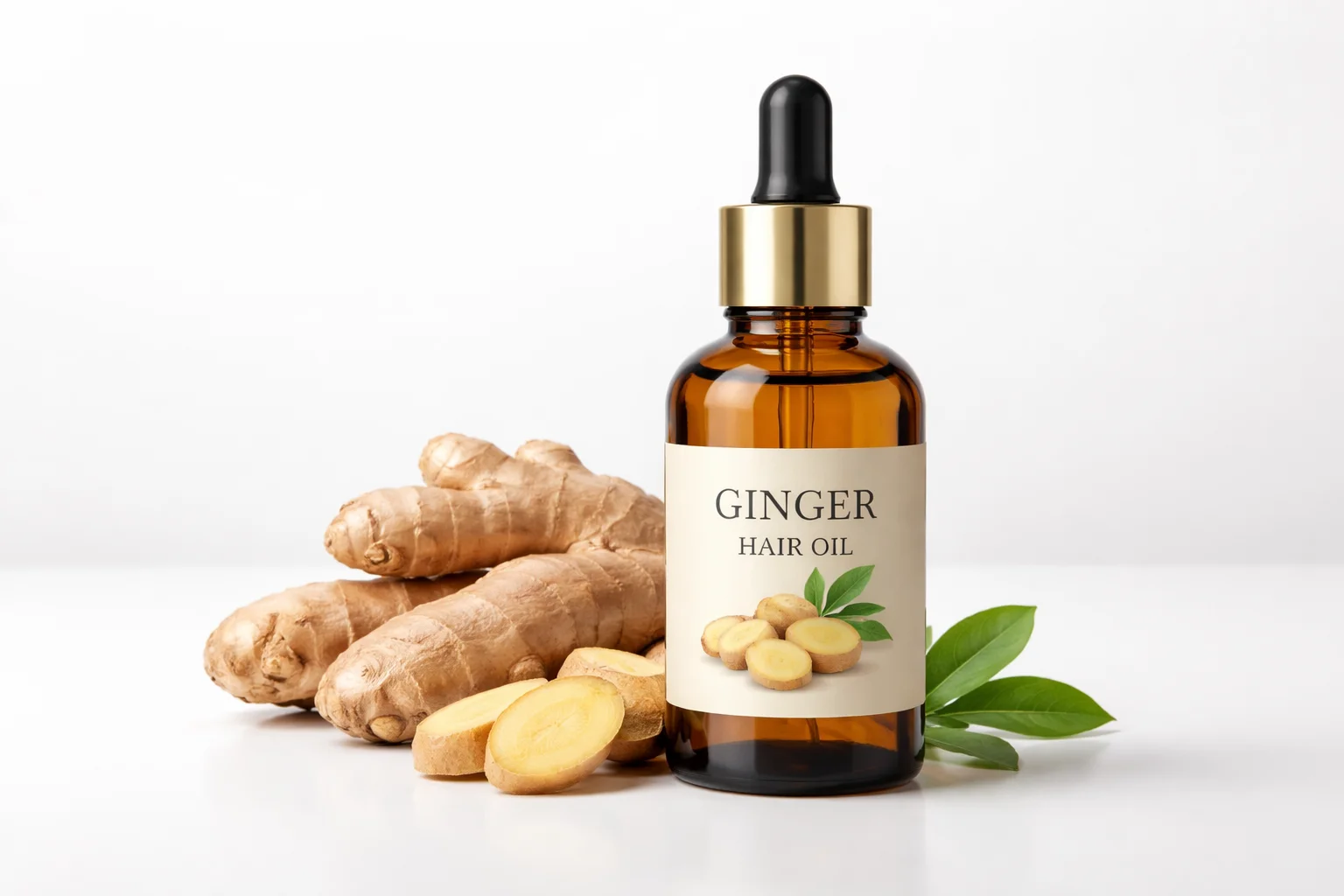
Table of Contents
Why ginger is used for scalp care and hair growth
Ginger is one of those kitchen staples that pulls double duty. It smells fresh, it feels warming on the skin, and it has natural compounds that people have used for ages in home care routines. When you use ginger on the scalp, you are basically encouraging a cleaner, happier environment for hair to do its thing.
Here is the simple, non science class version. A healthy scalp usually equals better looking hair over time. Ginger can help the scalp feel more awake and less gunky, especially if you deal with product buildup or flakes. That warm feeling also encourages you to massage longer, and scalp massage is a big deal because it supports circulation and helps spread natural oils.
I also like to pair ginger routines with other gentle growth friendly habits. If you are into low effort leave ins, I have been loving this one too: rosemary leave-in hair conditioner for hair growth.
Benefits of ginger for dandruff and thinning hair
If your scalp is flaky, irritated, or feels tight, it can make hair care feel like a chore. Ginger is often used in dandruff focused routines because it can help the scalp feel fresher and more balanced. And when the scalp is calmer, you are less likely to scratch, which is huge if you are trying to protect fragile strands.
For thinning hair, I want to be real with you. A DIY oil is not a magic wand for genetics, hormones, or medical hair loss. But ginger oil routines can support a better scalp situation, and that can make hair look fuller because breakage goes down and roots look less oily and flat.
What you might notice with consistent use:
- Less itchiness and fewer flakes for many people
- Hair at the roots looks more lifted and clean
- Reduced breakage because you are massaging gently and conditioning the scalp
- A healthier feel overall, like your scalp is not constantly annoyed
And if your frizz is part of the struggle too, this pairs nicely with a moisturizing mask day: aloe vera hair mask for frizz control.
Ingredients for the ginger oil scalp treatment
This is the part that makes me feel like I am cooking, just for my head. I keep it simple because complicated DIYs never survive my schedule.
What you will need
- Fresh ginger root, about 1 to 2 thumbs worth
- A carrier oil: olive oil, jojoba oil, coconut oil, or sweet almond oil
- A fine grater or blender
- A clean strainer or cheesecloth
- A small bowl and a small jar with a lid
Carrier oil tip: If your scalp gets oily fast, go for jojoba. If your hair is dry and thirsty, olive oil or coconut oil can feel extra cozy.
Step-by-step instructions using ginger juice and carrier oil
This is my go to method because it feels fresh and effective. You are basically making ginger juice, then blending it into a scalp friendly oil base.
My quick kitchen method
Step 1: Wash and peel the ginger. I do not always peel, but if the skin looks dry or tough, I peel it.
Step 2: Grate the ginger into a bowl. If you have a blender, you can chop it and blend with a tiny splash of water.
Step 3: Squeeze out the juice using cheesecloth or a strainer. You only need about 1 to 2 teaspoons of juice.
Step 4: Mix the ginger juice with 2 to 3 tablespoons of carrier oil in a small bowl.
Step 5: Pour into a clean jar. Shake before each use since juice and oil like to separate.
That is it. It smells spicy and clean, like you are about to make a stir fry, but in a good way.
“I tried this twice a week for a month, and my scalp felt so much calmer. The little itchy spots around my hairline stopped driving me nuts, and my roots looked healthier.”
One more thing, if you love deep conditioning after a scalp oil day, this is a nice follow up: avocado hair mask for dry hair.
Optional second recipe variation
If you do not want to deal with ginger juice, this variation is more like an infused oil. It is slower, but it is easy and it stores nicely.
Infused ginger oil version
Step 1: Grate 2 tablespoons of fresh ginger.
Step 2: Add it to a small saucepan with about 1 half cup of carrier oil.
Step 3: Warm it on very low heat for 5 to 8 minutes. Do not fry it. If it sizzles, it is too hot.
Step 4: Cool completely, then strain into a jar.
This version is gentler for some people because there is no watery juice in the mix. It also smells a bit more mellow.
How to apply, massage and leave on the scalp
The first time I tried ginger oil, I used way too much and my hair looked like I dunked it in salad dressing. Learn from me. Less is better.
My easy application routine:
Part your hair in a few sections. Dip your fingertips into the oil and tap it onto the scalp, especially where you feel dryness or see flakes. Then massage with the pads of your fingers, not your nails. I do about 3 to 5 minutes while I am watching something mindless on my phone.
How long to leave it on: Start with 20 to 30 minutes. If your scalp loves it and you get no irritation, you can go up to 1 hour. I usually shampoo twice to get it out cleanly, then condition like normal.
And yes, the main reason this works well for me is consistency. Using ginger oil for hair growth is more like a routine than a one time trick.
How often to use it for visible results
I am going to give you a realistic timeline because hair is slow. I like using ginger oil for hair growth 1 to 2 times per week. If your scalp is sensitive, start once a week and see how you feel.
What to expect:
Week 1: scalp feels warmer and cleaner after wash day, maybe less itch.
Week 2 to 4: flakes may calm down, roots can feel less irritated, hair may look a bit bouncier.
Month 2 and beyond: this is where people often notice less breakage and a healthier look at the hairline, assuming you are gentle with brushing and heat.
Also, do not forget the boring basics that actually matter: avoid super tight styles, do not scratch your scalp, and keep heat styling reasonable. ginger oil for hair growth can be a great helper, but it likes teamwork.
Safety tips for sensitive scalp
Ginger is spicy. Some scalps love that tingle, and some scalps get mad fast. So let us keep you safe and comfy.
My safety checklist:
- Patch test first: dab a tiny amount behind your ear or on your inner arm and wait 24 hours
- Never apply to broken skin or active rash
- Dilute properly: do not use straight ginger juice on the scalp without oil
- If burning happens, rinse immediately with shampoo and cool water
- Avoid contact with eyes, it is not a fun time
If you have eczema, psoriasis, or ongoing scalp issues, it is smart to check with a dermatologist. And if hair loss is sudden or severe, get medical advice because that can be a health signal, not just a hair care problem.
For more gentle natural hair care ideas, you can browse around here: natural hair care.
Common Questions
Does ginger oil actually help hair grow faster?
It can support scalp health and reduce breakage, which helps hair look fuller over time. Actual growth rate is mostly genetics and health, but a happier scalp definitely helps the process feel smoother.
Can I use store bought ginger essential oil instead?
You can, but it must be diluted very well in a carrier oil. Essential oils are concentrated and can irritate the scalp easily, so start tiny and patch test.
Will it make my hair smell like ginger all day?
Not usually if you shampoo well. The scent lingers a little during the treatment, then fades after washing. If you hate the smell, add one drop of lavender essential oil to the jar, but only if your scalp tolerates it.
Is it okay for colored or chemically treated hair?
Yes in most cases because you are applying it to the scalp, not saturating the lengths. Just rinse well and do not rub aggressively.
What if I get tingling, is that normal?
Mild tingling can be normal. Sharp burning, redness, or swelling is not. Rinse it out and do not use it again until you patch test and dilute more.
A warm little pep talk before you try it
If you have been feeling stuck with your hair lately, I get it. Try this once a week, keep it gentle, and give it a few weeks before you judge it. My biggest win with ginger oil for hair growth has been how much calmer my scalp feels, and that alone makes wash day less annoying. Grab that ginger from your kitchen, mix up a small batch, and treat it like a cozy self care recipe you can actually stick with. Want more beauty homemade recipes? Visit my Pinterest account.
If you want to ask a question or share how it went for you, you can always reach me here: contact information.
Ginger Oil for Hair Growth
Materials
For the ginger oil
- 1 to 2 thumbs Fresh ginger root
- 2 to 3 tablespoons Carrier oil (olive oil, jojoba oil, coconut oil, or sweet almond oil) Choose based on hair type: jojoba for oily scalps, olive/coconut for dry hair.
Equipment needed
- 1 Fine grater or blender
- 1 Clean strainer or cheesecloth
- 1 Small bowl
- 1 Small jar with a lid
Instructions
Preparation of Ginger Juice
- Wash and peel the ginger. Peel if the skin looks dry or tough.
- Grate the ginger into a bowl or blend it with a tiny splash of water if using a blender.
- Squeeze out the juice using cheesecloth or a strainer. You need about 1 to 2 teaspoons of juice.
Mixing and Storing
- Mix the ginger juice with 2 to 3 tablespoons of carrier oil in a small bowl.
- Pour into a clean jar and shake before each use to recombine.
Application
- Part your hair into sections and dip your fingertips into the oil, applying directly to the scalp, focusing on dry areas.
- Gently massage into the scalp for 3 to 5 minutes.
- Leave it on for 20 to 30 minutes before shampooing it out.