
Hair cream for hair growth sounds promising until it leaves your scalp sticky, your roots flat, and your hair heavy by the next day. If you want something lighter, soothing, and actually easy to use consistently, this DIY recipe is a much better fit. This homemade hair cream combines aloe vera for hydration, black seed oil for scalp support, and an optional touch of rosemary essential oil for a more targeted hair growth routine.
What makes this version worth trying is that it helps you care for your scalp and lengths at the same time. It is quick to make, easy to apply, and simple to adapt depending on whether your hair is fine, curly, dry, or prone to buildup.
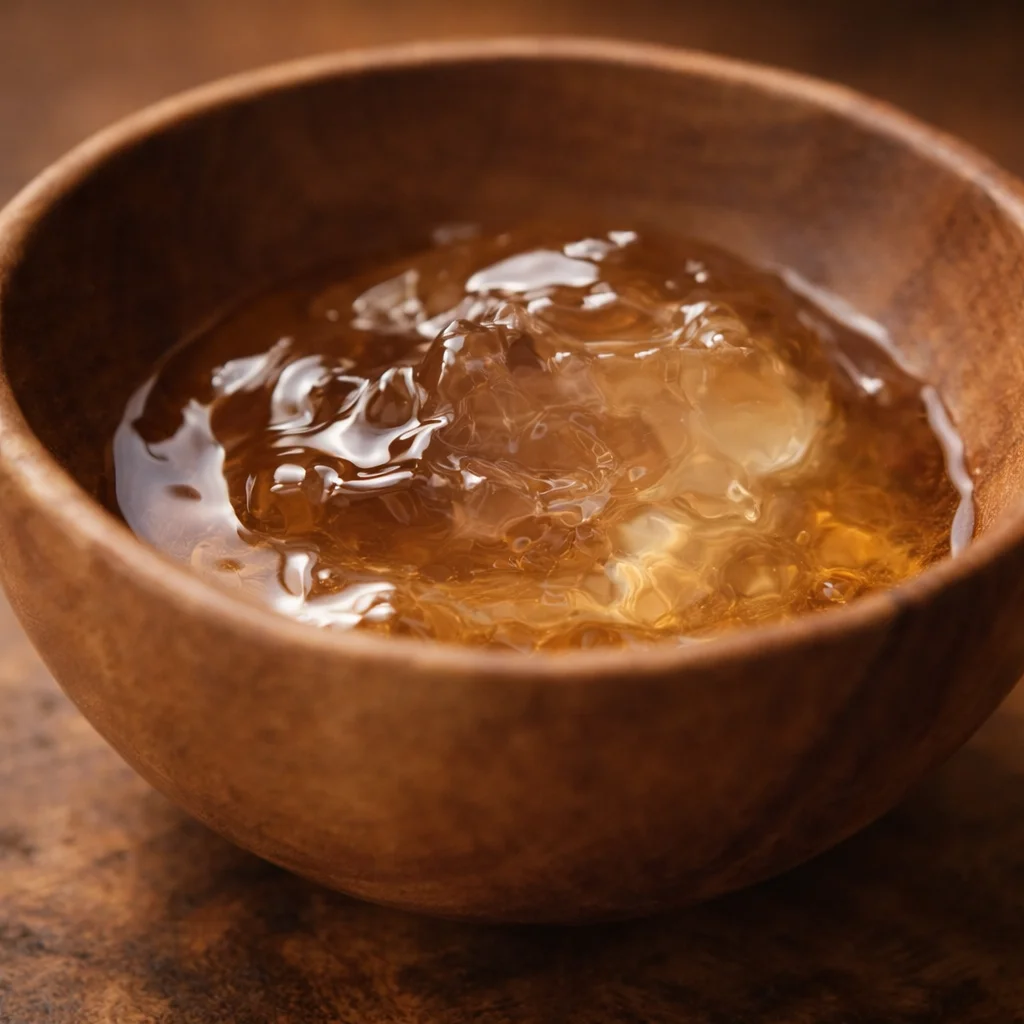
Table of Contents
Why a lightweight hair cream can help with hair fall and slow growth
Heavy hair products can make your scalp feel congested fast. They mix with sweat, buildup, and residue, then leave your roots tender, itchy, or flat. A lightweight hair cream works differently because it gives moisture and slip without coating everything in a greasy layer.
The biggest advantage is consistency. When a product feels light and easy to wear, you are far more likely to use it regularly. And in any hair growth routine, consistency matters more than chasing a miracle ingredient. A soft cream also helps reduce rough handling during application and detangling, which can lower breakage and support length retention.
In practical terms, a lightweight cream can help:
- Reduce friction during detangling, so you lose less hair to snapping
- Keep your ends hydrated, which helps you retain visible length
- Make scalp massage easier as part of a healthy hair routine
If you want another lightweight option for your routine, take a look at this rosemary leave in hair conditioner for hair growth.
Main benefits of aloe vera for scalp balance and hair strength
Aloe vera is one of the best ingredients to use when your scalp feels irritated, tight, or dry. It is cooling, soothing, and naturally lightweight, which makes it ideal in a DIY hair cream for hair growth. Instead of weighing your hair down, it adds hydration and helps the cream spread more easily through the scalp and lengths.
One reason aloe works so well in homemade hair care is that it supports comfort. A calmer scalp is easier to care for consistently, and consistency is what helps most routines work better over time. Aloe also adds slip, which makes detangling gentler and reduces unnecessary breakage.
Main aloe vera benefits in this recipe:
Scalp comfort that helps reduce that tight, irritated feeling after wash day.
Hydration that helps dry or rough strands feel softer.
Slip that supports gentler detangling and better length retention.
If frizz is your main concern, this related treatment is also worth trying: aloe vera hair mask for frizz control.
Main benefits of black seed oil for hair follicles and growth cycle support
Black seed oil is what makes this cream feel more nourishing than a basic aloe blend. You only need a small amount, but that small amount brings richness, softness, and a more protective finish to the recipe. It helps seal in moisture so the aloe vera does not disappear too quickly after application.
It is also a great option when your scalp feels dry, stressed, or rough around the hairline. While no DIY cream can guarantee faster growth on its own, black seed oil can support a healthier scalp environment, and that is where better growth routines start.
Why black seed oil works well here:
Seals in moisture so the cream feels more conditioning.
Improves the look of dryness around the scalp and roots.
Supports a healthier scalp feel as part of a long-term routine.
“I started using this cream three nights a week and my scalp felt calmer in the first week. After about a month, I noticed less breakage when I detangled, and my edges looked fuller just from not snapping off.”
If you like rotating richer treatments, you can also bookmark this castor oil leave in hair conditioner.
Optional benefits of rosemary essential oil for scalp circulation
Rosemary essential oil is optional, but many people like to include it in a hair growth routine because of how it fits into scalp massage and circulation-focused care. It also gives the cream a fresh, herbal scent that pairs nicely with aloe vera and black seed oil.
That said, essential oils are strong. Keep the amount very low, and skip it completely if your scalp is sensitive or reactive. It is always better to start with the simple base recipe first, then add rosemary later only if your scalp tolerates it well.
Do not apply rosemary essential oil directly to the scalp without diluting it. And if you are pregnant, breastfeeding, or dealing with a scalp condition, it is smart to check with a qualified professional first.
Ingredients and simple 3-ingredient recipe
This DIY is refreshingly simple. You can make a fresh batch in just a few minutes, which is ideal because small batches tend to feel better and stay more pleasant to use.
What you will need
- 3 tablespoons aloe vera gel (pure, with no heavy fragrance if possible)
- 1 teaspoon black seed oil
- 1 teaspoon lightweight carrier oil (jojoba, argan, or sweet almond)
Optional: 2 to 3 drops rosemary essential oil
Quick customization tip: If your hair is fine, start with slightly less oil. If your hair is thick, curly, coily, or very dry, you can increase the carrier oil up to 2 teaspoons.
This still works as a hair cream for hair growth routine because the goal is not just softness. It is scalp support, moisture balance, and length retention together.
How to emulsify the cream properly
Emulsifying simply means helping the aloe vera and oils blend into a smoother cream-like texture. You do not need anything complicated to do it.
Here is the easiest method:
1) Put the aloe vera gel in a small bowl.
2) Slowly drizzle in the black seed oil while whisking with a spoon or mini whisk.
3) Add the carrier oil and keep stirring for 60 to 90 seconds.
4) If using rosemary essential oil, add it at the end and stir again.
If the mixture separates after sitting, stir it again before each use. That is completely normal with a fresh DIY blend. If you want a slightly smoother texture, use a mini frother for about 20 seconds.
How to use on damp hair after washing
This cream works best on damp hair. After washing, gently squeeze out the extra water so your hair is not dripping. Rub a pea-sized amount between your palms, then smooth it over your ends first.
Use whatever is left on your hands to lightly coat the mid-lengths. If you want to use it for scalp massage, dab a very small amount onto the scalp and massage gently for 2 to 3 minutes.
The key is not to overapply. This is especially important if your scalp gets oily quickly or your hair is fine. Start small. You can always add more, but using too much makes lightweight products feel heavy.
Who should try this DIY hair cream and who should skip it
This DIY hair cream is a good match if your hair feels dry after washing, your scalp gets irritated easily, or you want a lighter leave-in option that supports hair growth habits without making your roots greasy.
It is especially useful for:
- Dry, frizzy, or breakage-prone hair
- Hair that needs slip for gentler detangling
- Scalps that prefer lighter moisture over thick butters
You may want to skip it or simplify it if:
- Your scalp is very sensitive to essential oils
- You are dealing with a medical scalp condition
- Your hair gets weighed down easily and needs a very minimal formula
For hair that needs a richer occasional treatment, avocado-based masks can be a good rotation option when your strands feel extra thirsty.
How often to use it for the best results
For most hair types, using this cream 2 to 4 times a week is a good place to start. On wash days, use it lightly on damp hair. Between washes, you can apply a tiny amount to the scalp or dry areas if your hair needs extra support.
Give it at least a few weeks before judging results. Hair growth takes time, and what you are really building first is a better routine: less breakage, more comfort, and stronger moisture retention.
Final thoughts
This DIY hair cream for hair growth is one of those simple recipes that earns its place because it is easy to make, easy to use, and easy to keep using. Aloe vera helps bring hydration and comfort, black seed oil adds richer support without turning the blend greasy, and the optional rosemary gives it an extra herbal edge.
Keep the batch small, apply it with a light hand, and give your routine a little time to work. Sometimes the best hair care changes are not dramatic. They come from small habits that reduce breakage, calm the scalp, and make your hair easier to manage week after week.
And if you want even more natural haircare ideas, step-by-step DIYs, and visual inspiration, follow the complete GlowNour Pinterest account here.
FAQ
Does hair cream for hair growth really help?
A hair cream for hair growth can help support a healthier routine by improving scalp comfort, reducing breakage, and keeping hair moisturized. It does not guarantee faster growth on its own, but it can help you retain more length over time.
Can I use aloe vera and black seed oil on my scalp?
Yes, aloe vera and black seed oil can be used on the scalp in a lightweight DIY blend. Aloe vera helps with hydration and comfort, while black seed oil adds nourishment. Always patch test first if your scalp is sensitive.
How often should I use this DIY hair cream?
Most people can use this DIY hair cream 2 to 4 times a week. Apply a small amount on damp hair after washing, or use a tiny amount for scalp massage if your hair and scalp tolerate it well.
Can I skip rosemary essential oil?
Yes. Rosemary essential oil is optional. The base recipe with aloe vera, black seed oil, and a lightweight carrier oil still works well without it.
What is the best carrier oil for this DIY hair cream?
Jojoba, argan, and sweet almond oil are all good choices. Jojoba is especially nice for lighter hair types, while argan or sweet almond can feel a bit more nourishing for dry hair.
Lightweight Hair Cream
Materials
Main Ingredients
- 3 tablespoons aloe vera gel Pure, with no heavy fragrance if possible
- 1 teaspoon black seed oil A nourishing oil that seals in moisture
- 1 teaspoon lightweight carrier oil Jojoba, argan, or sweet almond
Optional Ingredients
- 2-3 drops rosemary essential oil For scalp circulation, add if scalp tolerates it
Instructions
Preparation
- Put the aloe vera gel in a small bowl.
- Slowly drizzle in the black seed oil while whisking with a spoon or mini whisk.
- Add the carrier oil and keep stirring for 60 to 90 seconds.
- If using rosemary essential oil, add it at the end and stir again.
Application
- Use on damp hair after washing. Rub a pea-sized amount between palms and smooth over the ends first.
- Lightly coat the mid-lengths with whatever is left on your hands.
- For scalp massage, dab a very small amount onto the scalp and massage gently for 2 to 3 minutes.
- Do not overapply, especially if your scalp gets oily quickly or your hair is fine.