
Yogurt Hair Mask for Dandruff is one of those phrases I never thought I would be Googling at midnight, but there I was, scratching my scalp like I had a secret snowstorm happening under my hair. If you have ever worn a black shirt and regretted it five minutes later, you already get the struggle. I wanted something simple, cheap, and not loaded with a million mystery ingredients. The funny part is, the answer was sitting in my fridge next to the leftover pasta. This is the cozy, no fuss yogurt mask I keep coming back to when my scalp feels itchy and flaky.
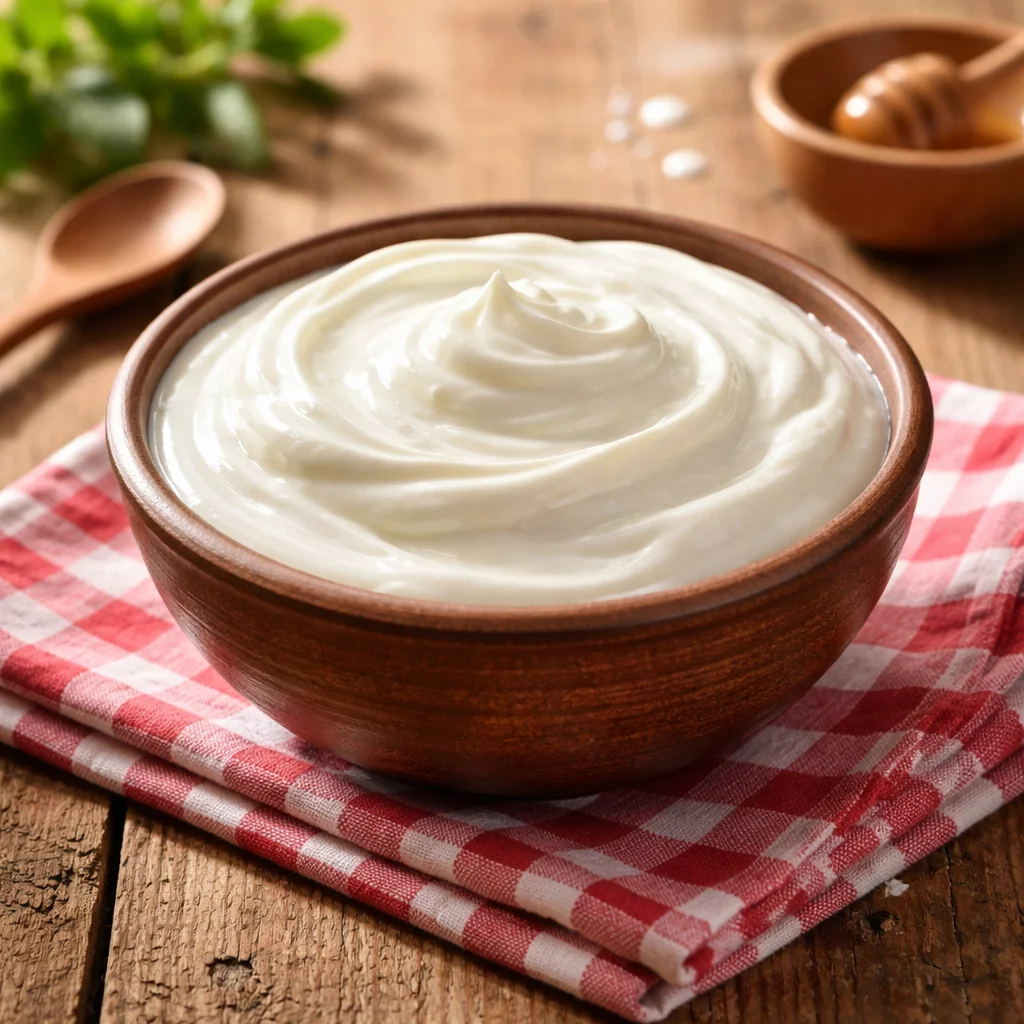
Table of Contents
Yogurt hair masks
I know yogurt sounds like breakfast, not hair care, but it is honestly one of my favorite kitchen staples for soothing a cranky scalp. Plain yogurt has a naturally cooling feel, and when your scalp is irritated, that gentle comfort matters a lot. I reach for full fat plain yogurt because it tends to feel less drying and more conditioning on my hair.
Here is what I like about yogurt as a base:
It is simple. You do not need fancy tools or a long routine.
It feels calming. Especially if your scalp is itchy or tight.
It plays well with other ingredients. Honey, aloe, and oils can mix in easily.
Also, if you are into keeping your routines more natural overall, you might like browsing this section I bookmark a lot: natural hair care ideas. I go down that rabbit hole whenever my bathroom shelf starts looking like a science project.
One important note from my own trial and error: use plain yogurt, not flavored. The sweet vanilla one might smell amazing, but sugar and fragrance are not what your scalp needs when it is already acting up. If you can, choose yogurt with live cultures.
Applying a yogurt hair mask
Applying this mask is less about being perfect and more about being consistent. I used to slap it on quickly, get distracted, and then wonder why I still had flakes. Once I started doing it the same way each time, I got better results and way less mess dripping down my neck.
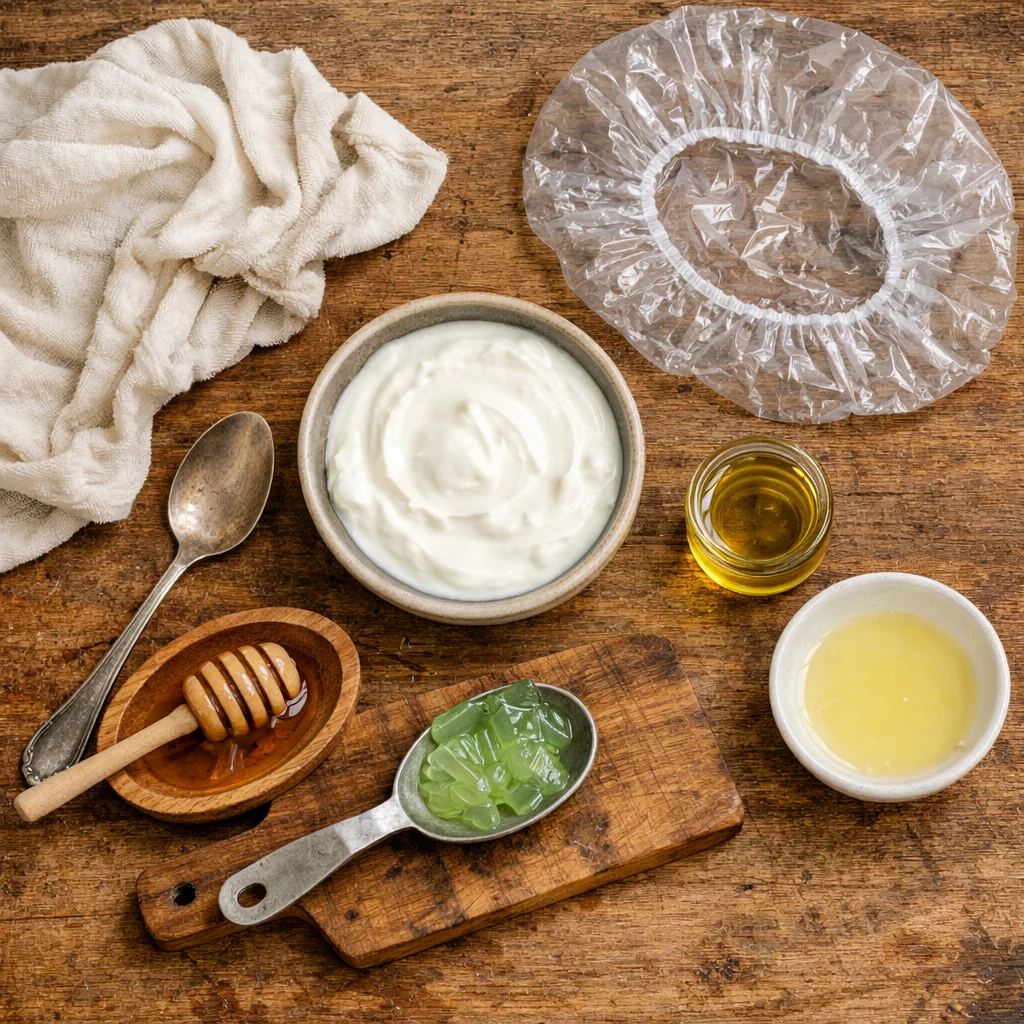
What you will need
- Plain yogurt, about half a cup for short to medium hair, more if your hair is long
- A small bowl and spoon
- An old T shirt or towel you do not love
- Shower cap or plastic wrap if you want to keep it tidy
How I apply it, step by step
I like to apply the mask on slightly damp hair. Not soaking wet, just lightly misted or towel damp. Then:
- Part your hair in a few sections so you can actually reach your scalp.
- Scoop yogurt and massage it into the scalp first, then smooth the rest through your hair.
- Let it sit for 15 to 25 minutes. If your scalp is sensitive, start with 10 to 15.
- Rinse with lukewarm water, then shampoo gently. I usually shampoo twice to get it all out.
A quick tip that saved me: rinse longer than you think you need to. Yogurt likes to hide near the roots. And please do not use hot water. Hot water plus an irritated scalp is just not a good vibe.
If your hair tends to be dry on the ends, you can follow up with something more conditioning. I sometimes use a leave in after, and this one is a nice option if you want an easy recipe: castor oil leave in hair conditioner.
I tried the yogurt mask twice a week for a month and the itching calmed down fast. The flakes did not disappear overnight, but my scalp felt comfortable again, and that was the big win for me.
Yogurt mask recipes for specific hair conditions
Once you get the basic yogurt mask down, you can tweak it depending on what your hair is doing lately. I keep these super simple because if a recipe has more than three or four ingredients, I know I will not stick with it.
My go to options
1) For itchy scalp and visible flakes
Mix plain yogurt with a teaspoon of honey. Honey helps with moisture and feels soothing. Apply mostly to the scalp.
2) For oily roots but dry ends
Mix yogurt with a tablespoon of aloe vera gel if you have it. It feels light, fresh, and not greasy. Focus yogurt on scalp, and just drag a little through the ends.
3) For dry, rough hair that needs softness
Mix yogurt with a teaspoon of olive oil or coconut oil. Keep the oil small. Too much oil can make rinsing a whole event.
4) For buildup from styling products
Mix yogurt with a small squeeze of lemon juice, like half a teaspoon. Use this only occasionally and avoid it if your scalp is cracked or sensitive. Lemon can sting.
A little caution from personal experience: do not overdo the add ins. When I tried to make it extra by adding too many oils, I spent forever washing it out, and my scalp felt weighed down. Simple really is better here.
And if you are curious about other gentle, kitchen style self care, I have even done masks for my face on lazy Sundays. This one is cozy and simple: oatmeal and milk face mask.
What Are The Causes Of Dandruff?
Before we talk about whether a mask can help, it is worth knowing why dandruff happens at all. I used to think flakes automatically meant I had a dry scalp, but that is not always true. Sometimes it is dryness, sometimes it is oiliness, and sometimes it is plain irritation from products.
Common causes include:
Too much oil and scalp buildup that makes flakes stick around.
Sensitivity to hair products like strong fragrances or harsh cleansers.
Not washing enough or washing too aggressively, both can mess with the scalp.
Weather changes, especially cold dry air in winter.
A yeast called Malassezia that lives on many scalps and can contribute to dandruff in some people.
If your dandruff is severe, painful, or you have redness that is not improving, it is smart to talk with a dermatologist. Sometimes what looks like basic dandruff can be something like seborrheic dermatitis, psoriasis, or eczema. Kitchen masks can be comforting, but they are not a replacement for medical care when you really need it.
Can A Hair Mask Help Treat Dandruff?
For me, a yogurt mask does not feel like a magic eraser, but it can absolutely be part of the solution. Think of it as scalp comfort plus better moisture balance. When your scalp feels less irritated, you are less likely to scratch, and that alone helps reduce the whole flaky cycle.
Here is what a yogurt mask can do well:
Soothes itchiness and makes the scalp feel calmer.
Softens flakes so they rinse away more easily.
Adds moisture if your dandruff is tied to dryness.
Here is what it cannot do:
It cannot replace an antifungal treatment if your dandruff is mostly driven by yeast overgrowth. If you suspect that is the case, an over the counter dandruff shampoo with proven ingredients can help, and you can still use the yogurt mask on off days for comfort.
My realistic routine looks like this: I use the yogurt hair mask dandruff approach one or two times a week, and I keep my shampoo gentle. If flakes come back hard, I rotate in a medicated shampoo for a couple washes. That balance keeps me from feeling like I am in a constant battle with my scalp.
Common Questions
How often should I use a yogurt hair mask?
Start with once a week. If your scalp loves it, go up to twice a week. More than that can feel like overkill for some people.
Can I leave the mask on overnight?
I would not. Yogurt can get messy, and leaving it too long may irritate sensitive scalps. Stick to 15 to 25 minutes.
Will yogurt lighten my hair color?
Plain yogurt alone usually does not. But if you add lemon, that is a different story, so keep lemon minimal and occasional.
What if my scalp stings when I apply it?
Rinse it out right away. Your scalp may be too irritated, or you might be reacting to an add in like lemon or a certain oil. Comfort is the goal.
Do I shampoo after the mask or just rinse?
Shampoo, gently. If you only rinse, you may leave residue behind, and that can lead to more buildup.
A little pep talk before you try it
If you are dealing with flakes, I get how annoying and embarrassing it can feel, especially when it seems like everyone can see it but you. This yogurt hair mask dandruff routine is one of the easiest things I have tried, and it makes my scalp feel calmer fast, even when it does not fix everything instantly. If you want more detail on why yogurt can be helpful and how to apply it, this guide is genuinely useful: Yogurt for Hair and Scalp: Benefits and How to Apply – Healthline.
Give the mask a couple tries, take notes on how your scalp feels, and adjust from there. I hope it brings you that same clean, comfy scalp feeling that makes you stop thinking about dandruff all day.
Yogurt Hair Mask
Materials
Main Ingredients
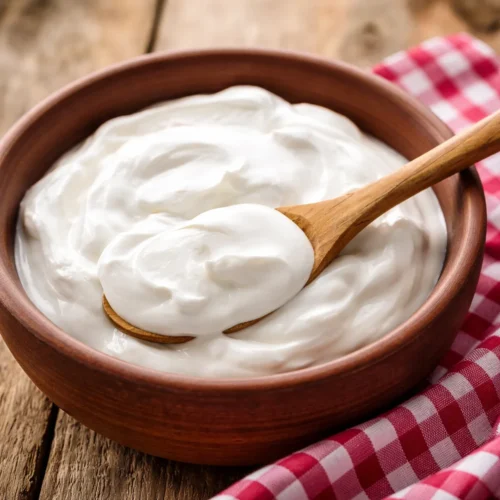
- 1/2 cup plain yogurt Use full-fat plain yogurt with live cultures if possible.
Optional Add-ins
- 1 teaspoon honey For itchy scalp, helps with moisture.
- 1 tablespoon aloe vera gel For oily roots but dry ends.
- 1 teaspoon olive oil For dry, rough hair that needs softness.
- 1/2 teaspoon lemon juice For buildup from styling products; use occasional only.
Instructions
Application
- Start with slightly damp hair, misted or towel-damp.
- Part hair into sections to reach the scalp easily.
- Scoop yogurt and massage it into the scalp first.
- Smooth the remaining yogurt through the lengths of hair.
- Let it sit for 15 to 25 minutes (10 to 15 if your scalp is sensitive).
- Rinse with lukewarm water and then shampoo gently, preferably twice.
- Rinse longer than you think necessary to ensure all yogurt is removed.