
body butter was the thing I didn’t know I needed until one winter when my elbows felt like sandpaper and my regular lotion just kept disappearing. You know that feeling when you moisturize, then five minutes later your skin is like, nice try? That was me, especially after hot showers and doing dishes a lot. I started using body butter at night and it honestly felt like my skin could finally relax. If you are dealing with dry patches, tight skin, or you just want that cozy, pampered feeling, you are in the right place. Let’s talk about what it is, why it works, and how to pick one you will actually enjoy using.
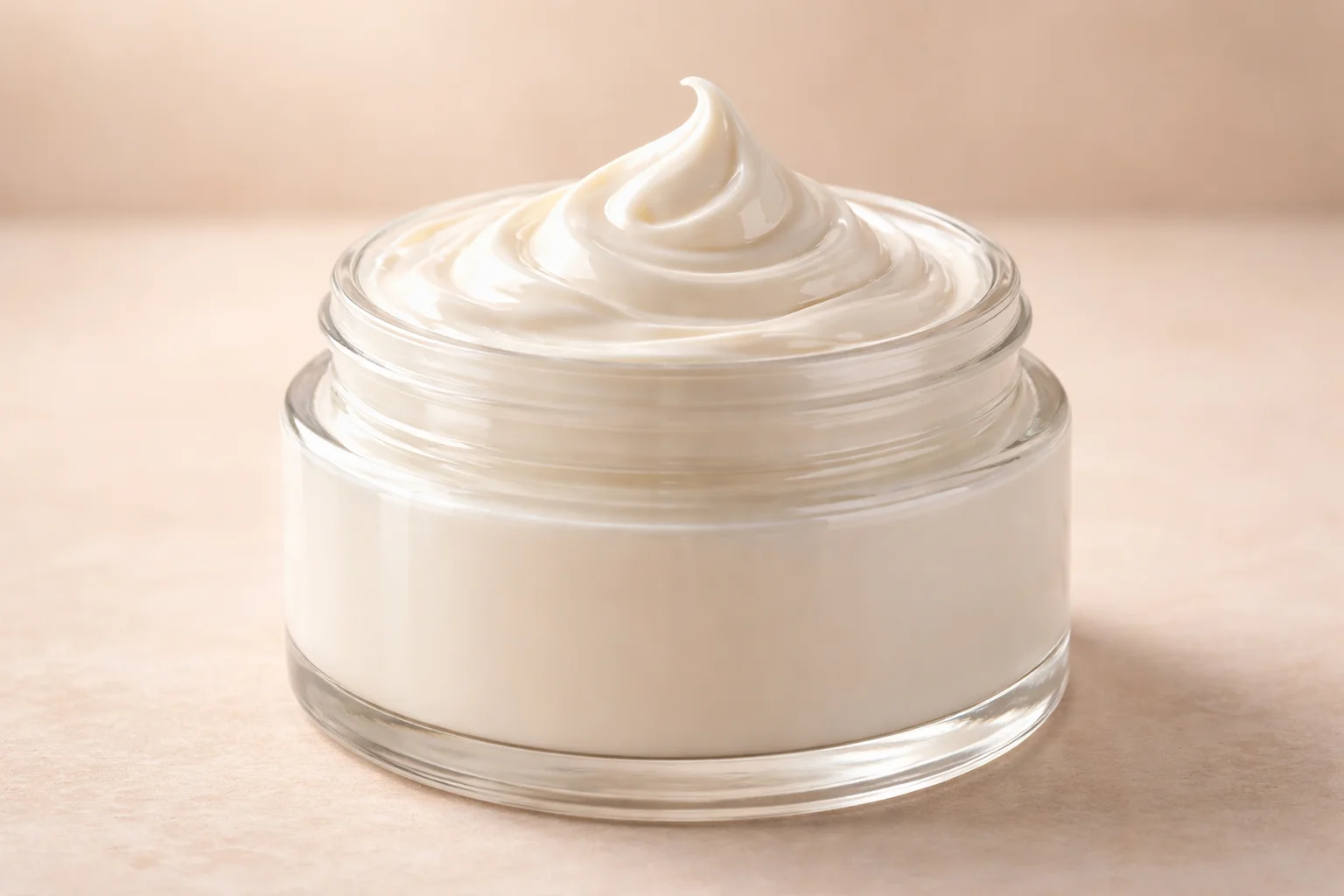
Table of Contents
What Is Body Butter?
Think of body butter as the richer cousin of lotion. It is a thick moisturizer made mostly from butters and oils, and it is meant to sit on the skin a bit longer to keep moisture from escaping. I like it most when my skin feels extra thirsty, like after shaving or a long day in cold wind.
body butter usually comes in a jar or tub because it is too thick for most pump bottles. The texture can be dense like frosting or light and airy if it is whipped. Either way, it is made to comfort dry skin and leave it feeling soft for hours.
What body butter is made of
Most formulas are a simple mix of plant butters and oils. Some include a little wax for structure and a vitamin or two for skin support. A lot of store bought options also add fragrance, which can be lovely but not always ideal for sensitive skin.
Why body butter feels richer than lotion
Lotion is mostly water mixed with oils, so it feels lighter and sinks in fast. Body butter has very little water, sometimes none at all, so it feels more protective. It is like putting on a soft blanket instead of a thin sheet.
Benefits of Body Butter
The best part is how long it lasts. When I use body butter at night, I wake up and my skin still feels comfortable. Not greasy, just calm and smooth.
Helps lock in moisture
Because it is oil and butter heavy, it helps seal in hydration. My favorite trick is applying it on slightly damp skin after a shower. It traps that water on your skin, which is basically the goal.
Supports very dry or rough areas
If your knees, heels, elbows, or hands always feel rough, this is where body butter shines. These areas have thicker skin and often need a heavier product to feel good.
Leaves skin soft and smooth
You get that immediate softness, but the real win is the next day. Consistent use can make skin feel less tight and look less flaky. If you love that “buttery” glow on legs, this is it.
Body Butter vs Lotion
I keep both in my routine, because they do different jobs. Lotion is my quick daytime option. Body butter is my slow, cozy, end of day option.
Texture and water content differences
Lotion is lighter because it contains a lot of water. Body butter is thicker because it is mostly oils and butters. That is why lotion absorbs faster and body butter tends to sit on top a bit before it fully melts in.
When to use body butter instead of lotion
Here are my go to moments:
- After showering in winter when skin feels tight
- On rough patches like elbows and heels
- After shaving, especially legs
- Before bed when you want overnight softness
If you only want one, choose based on your climate and your skin. Hot and humid, lotion might feel nicer. Cold and dry, body butter is usually the winner.
Who Should Use Body Butter?
This is not just for people with extremely dry skin. Plenty of folks use it because they like the feel and the lasting comfort. But yes, some skin types will love it more than others.
body butter is especially helpful if you take hot showers, swim often, use strong soaps, or live somewhere with dry air. It is also a nice step if you are trying to keep skin looking smooth and healthy as the seasons change.
Common Body Butter Ingredients Explained
Let’s break down the ingredients you see on labels, so you can shop smarter and avoid stuff that doesn’t work for you. I always say this like I’m in the store talking to a friend: don’t get hypnotized by the cute packaging. Flip it over and check what’s inside.
- Shea butter is the classic. It is rich, nourishing, and great for very dry skin. It can feel heavy on the face for some people, but for the body it is usually a dream.
- Cocoa butter is thicker and has that cozy chocolatey scent if it is unrefined. It is very protective and can feel more waxy. Great for long lasting softness.
- Mango butter is lighter than shea and cocoa in my experience. It still feels buttery, just less dense, which makes it nice for people who want moisture without that super thick finish.
- Carrier oils are the supporting cast. Things like jojoba, almond, grapeseed, avocado, coconut, and olive oil can change the feel a lot. Grapeseed tends to feel lighter. Avocado and olive feel richer.
- Beeswax and other texture boosters help keep body butter solid and stable, especially in warm weather. Some brands use plant waxes instead. A little wax can also make the butter feel more protective on rough areas.
I started using a simple shea based body butter after showers and my itchy winter skin calmed down within a week. Now I keep a jar by the sink for my hands too. It feels like a tiny spa moment every day.
How to Use Body Butter
Using it is simple, but a few tiny tweaks can make it work even better. I used to slather it on totally dry skin and wonder why it felt like it just sat there. Then I learned the damp skin trick and everything changed.
- When to apply for best results is right after bathing, when your skin is still slightly damp. Not dripping wet, just not bone dry. This helps it spread easier and lock in hydration.
- How much to use is less than you think. Start with a pea to grape sized amount per area, warm it between your hands, then press and smooth it in. You can always add more, but too much can feel sticky.
- Best body areas to target are the usual suspects: elbows, knees, heels, hands, and shins. I also like it on my shoulders if they get dry from sun and wind.
How to Choose the Right Type of Body Butter
There is no one perfect jar for everyone. The trick is matching the texture and ingredients to your skin and your daily life. If you hate the feel, you won’t use it, and then it doesn’t matter how fancy it is.
- For very dry skin, look for shea butter or cocoa butter high on the ingredient list, plus richer oils like avocado or olive. These tend to give that deep comfort feeling.
- For a non-greasy finish, look for lighter oils like grapeseed or jojoba, and a whipped texture. Also consider “fast absorbing” formulas, but still check for heavy fragrance if you are sensitive.
- For whipped texture lovers, choose whipped body butter. It feels fluffy, spreads quickly, and usually melts in faster. Just store it away from heat so it doesn’t deflate.
- For ingredient-specific preferences, keep it simple. If your skin gets cranky, choose fragrance free and short ingredient lists. If you love scent, go for natural essential oil blends, but patch test first.
Can You Make Body Butter at Home?
Yes, and it is honestly kind of fun. It reminds me of making frosting, except you do not lick the spoon. Homemade body butter can be great if you want control over scent, texture, and ingredients, or if you just enjoy DIY projects.
Basic process overview is: melt your butters and oils gently, cool them, then whip if you want that airy texture. Some recipes skip whipping and go for a balm style, which is also nice and usually more stable in warm weather.
Tools and ingredients you usually need are simple kitchen basics:
- Heat safe bowl or a double boiler setup
- Spoon or spatula
- Hand mixer for whipped body butter
- Clean jars with lids
- One or two butters plus a carrier oil
Best Homemade Body Butter Recipes to Try Next
Okay, this is the part where I get excited, because it feels like sharing recipes with a friend. I am not saying you need to make all of these, but it is nice to have options depending on what your skin needs.
- Classic whipped body butter recipe usually uses shea butter plus a lighter oil like jojoba or sweet almond. Melt, cool until it looks cloudy, then whip until fluffy. It feels like a cloud on the skin.
- 3 ingredient body butter recipe is perfect for beginners: shea butter, coconut oil, and a few drops of vitamin E. You can skip fragrance or add a tiny bit of vanilla or lavender if you tolerate it.
- Magnesium body butter recipe is popular for nighttime routines. People often mix magnesium flakes into a small amount of warm water, then emulsify into a butter blend. It can tingle on sensitive skin, so patch test.
- Shea butter body butter recipe keeps it simple and rich. Use mostly shea with a splash of olive oil, and optionally a touch of beeswax if your home is warm.
- Beeswax body butter recipe is more like a balm. Add a small amount of beeswax to help it stay firm and feel extra protective on hands and feet.
- Non greasy body butter recipe usually means choosing fast absorbing oils like grapeseed and using less heavy butter overall. A whipped finish can help too, since it spreads thinner.
- Whipped tallow body butter recipe : If you have ever bought a “body butter” that felt greasy or sat on top of your skin, this is the fix.
- Cocoa body butter recipe is simple, forgiving, and honestly kind of fun to whip up on a lazy afternoon.
- Chocolate body butter perfect for soothing dry skin and hydrating.
- Mango body butter : Nourish and hydrate your skin with this easy mango body butter recipe using simple, all-natural ingredients for a silky-smooth feel!
- Goat milk body butter: Perfect for nourishing and repairing dry skin.
FAQ About Body Butter
What is body butter used for?
It is used to moisturize and protect the skin, especially when it is dry, rough, or tight. It is great for elbows, knees, heels, hands, and anywhere that needs extra comfort.
Is body butter better than lotion?
Not always, it depends on your skin and the season. Lotion is lighter and great for everyday use, while body butter is richer and tends to work better for very dry skin or overnight moisture.
Can you use body butter every day?
Yes. Many people use it daily, especially after showers. If it feels too heavy, use it at night or only on dry patches.
Does homemade body butter need preservatives?
If your recipe has no water, it usually does not need a preservative, but you still need clean tools and dry hands to avoid contamination. If you add water or anything water based, you should use a proper broad spectrum preservative and follow safe formulation practices.
A little final pep talk before you scoop
If your skin has been begging for help, body butter can be that simple step that makes a big difference. Pick a texture you will actually enjoy, use it on damp skin, and give it a week to really feel the change. Once you find your favorite, it becomes one of those small routines that feels comforting and a little luxurious. And if you are feeling adventurous, try one of the homemade recipes and make it your own.