
magnesium body butter recipe time, because if your skin gets dry and cranky like mine does the second the weather changes, you probably want something richer than a basic lotion. I started making this after a run of itchy elbows, flaky shins, and that tight feeling right after a shower. Store bought body butters helped, but I wanted one that felt extra soothing at night. This one is thick, creamy, and it melts in fast without that slippery, greasy finish. Also, it is honestly kind of fun to whip, like making frosting, but for your skin.
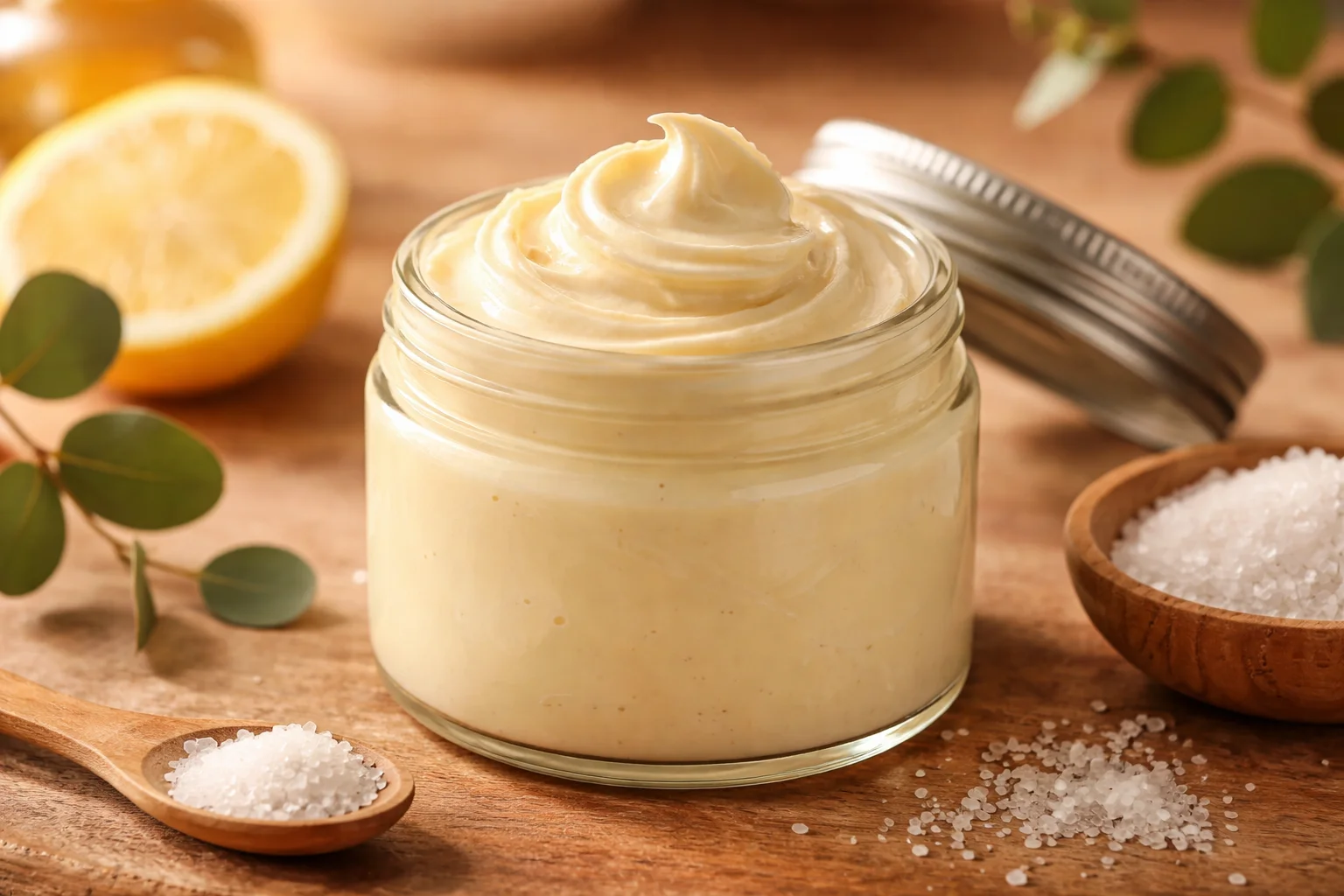
Table of Contents
What Makes Magnesium Body Butter Different
Regular body butter is mainly about moisture and soft skin. Magnesium body butter adds a little bonus: magnesium on the skin, which a lot of people like using as part of their bedtime routine, post workout care, or when they just want to feel more relaxed. I am not saying it fixes everything, but I do notice it feels comforting, especially rubbed into my calves or shoulders at night.
The big thing that makes it different is the magnesium ingredient. Magnesium can sometimes tingle, especially if your skin is freshly shaved or super dry, so the butter base matters a lot. A good, rich base makes it feel gentle and spreads the magnesium out so it is not too intense.
Another difference is texture. Some magnesium products feel watery or sticky. This version is more like a whipped dessert topping, and it leaves your skin looking healthy instead of shiny.
One more thing, this is not a medical treatment. If you have sensitive skin, eczema, or you are pregnant, it is smart to patch test and check with your clinician if you are unsure. That is just being careful with anything you put on your body.
Ingredients You’ll Need
I like keeping this recipe simple because complicated DIY projects tend to sit half finished on my counter. This is a small batch that lasts a while, and you can scale it up later if you love it.
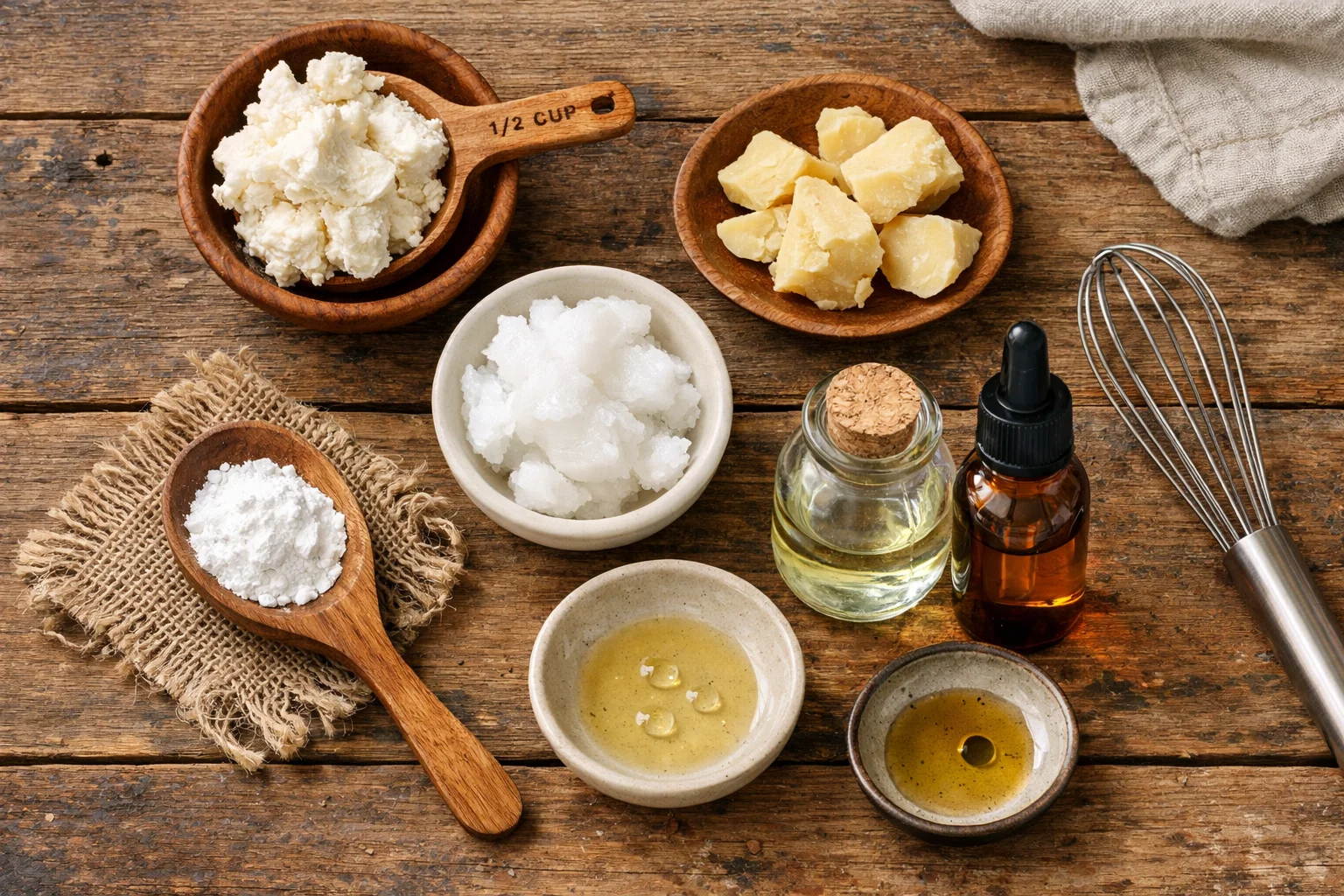
- Shea butter, for that deep moisture and thick body
- Cocoa butter or mango butter, for a smoother, more stable texture
- Coconut oil or sweet almond oil, for slip and easy spreading
- Magnesium chloride flakes or a ready magnesium oil (more on that below)
- Arrowroot powder or cornstarch, optional but great for a less greasy feel
- Vitamin E oil, optional, helps slow down rancid smell in oils
- Essential oil, optional, only if your skin tolerates it (lavender is my cozy favorite)
Choosing a magnesium ingredient
You have two easy options, and both can work.
Option 1: magnesium chloride flakes. These are common for DIY. You dissolve them in a little distilled water to make your own magnesium mix. This gives you control, but adding water means you need to be a little more thoughtful about storage and cleanliness.
Option 2: ready made magnesium oil. It is not actually oil, it is a concentrated magnesium chloride solution. It is convenient and consistent. The downside is still the same: it is water based, so you are adding moisture into a butter that is mostly oils and butters.
For a first try, I suggest the ready made one, just because it is easy. If you are very sensitive, start with less magnesium than you think you need. You can always add more next time.
Best butters and oils to pair with it
My favorite combo is shea butter plus a little cocoa butter. Shea makes it fluffy and moisturizing, and cocoa butter helps it set up nicely so it is not too soft. Mango butter is also great if you want something lighter and less cocoa scented.
For oils, coconut oil gives a nice whipped texture, but it can feel heavy for some people. Sweet almond oil, jojoba oil, or grapeseed oil feel lighter. If your skin is very dry, a spoon of olive oil can be surprisingly comforting, just use a little because it can make the texture softer.
How to Make Magnesium Body Butter
Here is the way I make my magnesium body butter recipe at home. It is not fussy, but timing helps. You will want a hand mixer or a stand mixer if you have one, plus a heat safe bowl and a small pot for a quick double boiler situation.
Basic small batch formula (fills about one 8 oz jar):
- 1/2 cup shea butter
- 2 tablespoons cocoa butter (or mango butter)
- 2 tablespoons coconut oil (or almond oil)
- 1 to 2 tablespoons magnesium oil (start low)
- 1 teaspoon arrowroot powder (optional)
- 1/2 teaspoon vitamin E oil (optional)
- 6 to 10 drops essential oil (optional)
Steps:
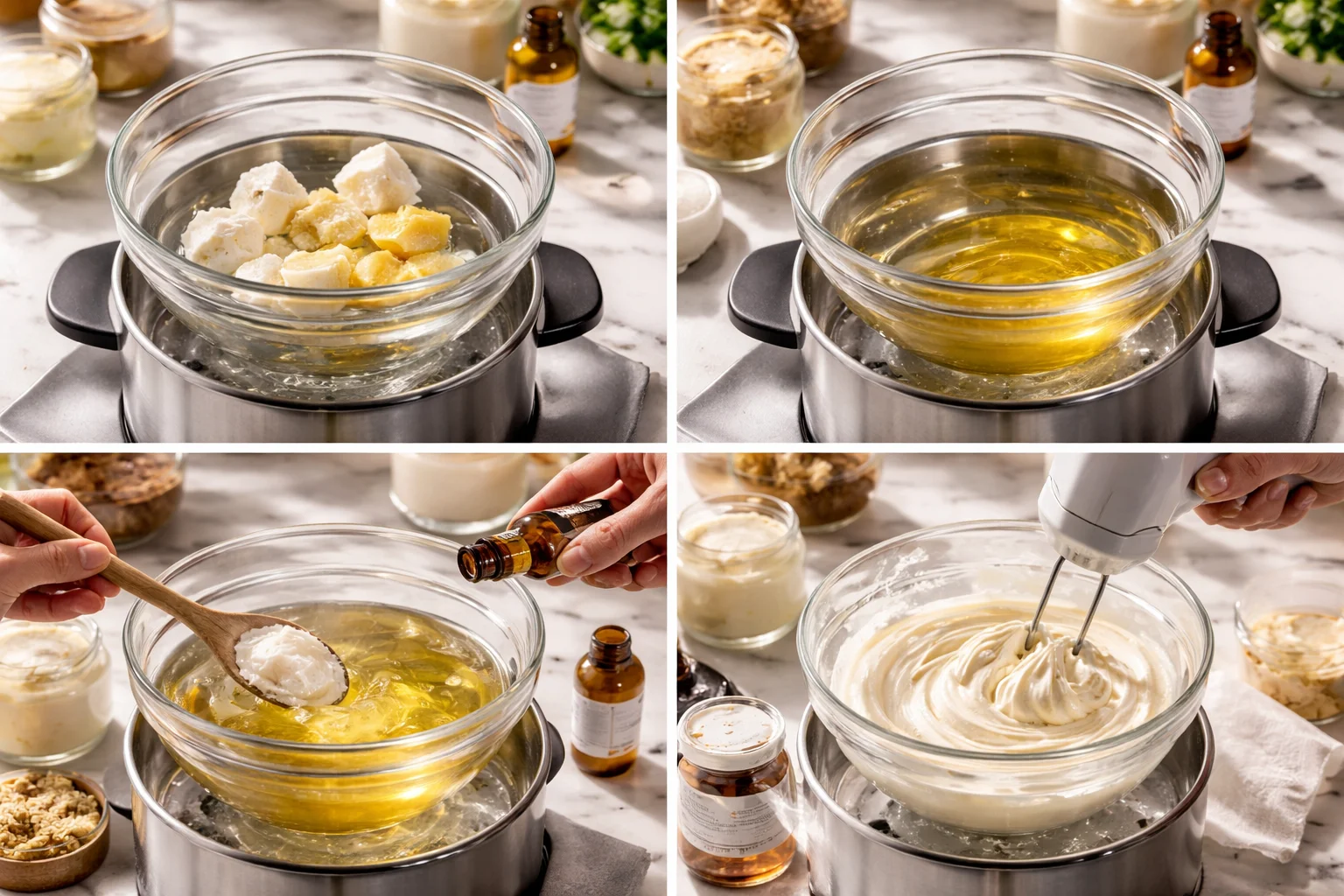
1) Add the shea butter, cocoa butter, and coconut oil to a heat safe bowl. Set it over a pot with a little simmering water. You do not need a roaring boil, just gentle heat.
2) Once everything is melted, take it off the heat and let it cool for about 10 minutes. You want it warm, not hot.
3) Stir in arrowroot powder and vitamin E if using. Now cool it until it starts looking cloudy and thicker, like it is trying to set. You can pop the bowl in the fridge for 10 to 15 minutes, but check it often.
4) When it is semi solid, whip it for a minute. Then slowly drizzle in the magnesium oil while whipping. Keep whipping until it looks fluffy.
5) Spoon into a clean jar. Let it fully set at room temp for a few hours before you judge the final texture.
If you add magnesium while the mix is hot, it can separate. If you add it when it is too cold and hard, it will not blend well. That middle stage is the sweet spot.
How to Make It Whipped and Smooth
Whipping is the part that makes this feel like a fancy product instead of a chunky balm. The trick is temperature and patience. I like doing two whipping rounds.
First whip: when the mixture is thick like soft butter. This builds air into it. Then chill it for 5 minutes and whip again. The second whip makes it look like a creamy frosting.
If your kitchen is warm, your butter may stay too soft. In that case, chill the bowl and even chill the beaters for a few minutes. It sounds extra, but it helps.
Also, do not dump the magnesium oil in all at once. Add it slowly, like you would add cream to a sauce. It blends better and you are less likely to get little pockets of liquid.
Tips to Prevent Graininess or Texture Issues
Grainy body butter is such a mood killer. The good news is you can usually avoid it with a couple habits.
Common causes and fixes:
Temperature swings: Shea butter can get grainy if it melts and cools slowly, then melts again later. Try to cool it a bit quicker after melting, like that short fridge rest, then whip.
Overheating: Use gentle heat. If you cook the butters too long, they can get weird later.
Too much liquid magnesium: If you add a lot of magnesium oil, it can loosen the butter and cause separation. Start with 1 tablespoon per 8 oz jar, then adjust next batch.
Water and contamination: If you use anything water based, you must keep tools and jars very clean and dry. Do not scoop with wet fingers. If you want to be extra safe, use a small cosmetic spatula.
If it still turns grainy, you can re melt it gently, cool it, and whip again. I have done this while muttering at my mixing bowl, and it actually worked.
How to Use Magnesium Body Butter
I use this like a nightly treat. After a shower, I pat my skin mostly dry and apply a small amount where I get dry or tense. A little goes a long way.
Best spots to try:
Calves and feet after a long day on your feet. Shoulders and neck if you sit at a desk. Elbows and knees for classic dry patches.
Expectations matter here. Some people feel a mild tingling or warmth for the first few uses, especially if your skin is dry or you just shaved. If it stings, rinse it off and use less next time, or apply over a plain layer of lotion as a buffer.
I started using this on my legs after evening walks and the dryness was gone in a week. The first night it tingled a bit, but now it feels calming and my skin stays soft until morning.
One more practical tip: do not apply right before pulling on tight jeans. Give it five minutes to sink in and you are good.
Storage and Shelf Life
Because this is a DIY product and we are adding a water based magnesium ingredient, I keep it in a cool place and make smaller batches. A clean jar with a tight lid is your friend.
My storage rules:
Keep it away from direct sun and heat sources. If your bathroom gets steamy, store it in a bedroom drawer instead. Use clean, dry hands or a spatula. If it ever smells off, looks separated in a weird way, or you see any signs of mold, toss it.
Shelf life depends on your oils. In general, I aim to use mine within 2 to 3 months. Vitamin E can help slow down that old oil smell, but it does not make it immortal.
FAQ
Can I make this without magnesium oil?
Yes. Then it is just a whipped body butter, still amazing for dry skin. You can also make two jars, one plain and one with magnesium, if you are testing sensitivity.
Why does it tingle when I apply it?
That can happen with magnesium products, especially on freshly shaved skin or very dry areas. Use less, apply on damp skin, or layer over a basic lotion first. If it burns, rinse it off and stop using it.
Can I use Epsom salt instead of magnesium chloride?
I do not recommend it for this recipe. Epsom salt is magnesium sulfate and it does not dissolve and behave the same way in leave on products. Magnesium chloride is the standard for this style of butter.
My butter turned runny. What did I do?
Usually it is too much liquid magnesium, or your room is warm, or you used more liquid oils than butters. Chill it, whip again, and next time reduce the magnesium oil or add a bit more cocoa butter.
Can kids use it?
I would be cautious. Kids have more sensitive skin and may react to magnesium or essential oils. If you want to try it, skip essential oils, use a tiny amount, and ask your pediatrician if you have concerns.
A Cozy Little Nighttime Ritual Worth Trying
If you have been hunting for something richer than lotion, this magnesium body butter recipe is a really satisfying one to make and use. You get deep moisture from the butters, a silky glide from the oils, and that comforting magnesium touch that a lot of people love at night. Keep it clean, start with a small amount of magnesium, and tweak the oils to match your skin. If you make it, I hope you do what I do and keep the jar where you will actually use it, right by the bed. Your dry skin will thank you.
For even more beauty ideas and DIY inspiration, visit my Pinterest account
Magnesium Body Butter
Materials
Base Ingredients
- 1/2 cup shea butter For deep moisture and thickness.
- 2 tablespoons cocoa butter or mango butter For a smoother texture.
- 2 tablespoons coconut oil or sweet almond oil For easy spreading.
Magnesium Ingredients
- 1 to 2 tablespoons magnesium oil or magnesium chloride flakes Start low for sensitivity.
Optional Ingredients
- 1 teaspoon arrowroot powder Optional for less greasy feel.
- 1/2 teaspoon vitamin E oil Optional, slows rancid smell.
- 6 to 10 drops essential oil Lavender is a good choice.
Instructions
Preparation
- Add the shea butter, cocoa butter, and coconut oil to a heat-safe bowl.
- Set it over a pot with a little simmering water to gently melt.
- Once melted, remove from heat and let cool for about 10 minutes.
- Stir in arrowroot powder and vitamin E if using, then cool until it starts looking cloudy and thick.
- Optional: Chill in the fridge for 10 to 15 minutes, checking often.
Whipping
- When semi-solid, whip for a minute.
- Slowly drizzle in the magnesium oil while whipping until fluffy.
Storage
- Spoon into a clean jar and let it fully set at room temperature for a few hours.